The Pioneers of Tamil Cinema

I DIRECTORS: THE CAPTAINS – MASTERS AND COMMANDERS WITH AN IMPACT TO LAST THE AGES

5) ELLIS. R. DUNGAN

This week, we are looking at a particularly unique and rather fascinating figure in the world of Tamil cinema. Most people today, perhaps you included, would believe that someone came to Tamil Nadu from a different world, nearly 14,000 km away, and made a string of staggering and trendsetting films in 1930s to 1950s in — all without knowing the language! Allow us to introduce you to Ellis R. Dungan, an Ohio born Irish-American, who was active in the Tamil film industry in the 30s and 40s. 

While studying at South California University, Duncan became fast friends with people in his cohort who studied in the cinematography and production design department with him. One of them was Indian, M.L. Tandon, who played a vital role in Dungan’s career. Tandon, who himself went on to become a prominent filmmaker in South India during the 1930s and 40s, invited Dungan to India to work with him. His film BHAKTHA NANDANAR became the pathbreaking stepping stone for Dungan. 

He is believed to have filmed many portions on the absence of Tandon, although he wasn’t formally credited in the film for his work. Though he initially planned for his visit to India to last only six months, destiny had its say, and kept him active in the industry for over a decade — fifteen years, to be precise — and paved the way for him to establish a wide host of technical trends. He created a legacy of his own, and shaped the careers of many talented personalities of the industry.

Movies he directed in 1930-1940 included:

  • 1936: SATHI LEELAVATHI 
  • 1936: SEEMANTHINI
  • 1936: IRU SAHODARARGAL
  • 1937: AMBIKAPATHY
  • 1940: SAKUNTHALAI
  • 1940: KALAMEGAM

SATHI LEELAVATHI was Dungan’s first official directorial venture. He came to the film itself in a rather peculiar sort of fashion. The film was offered to Tandon by Maruthachalam Chettiar, who was adamant that only he could be the right person to direct this film after the rousing success of BHAMA VIJAYAM. Tandon, on the other hand, was busy with a Hindi film being shot at Calcutta, and recommended his American friend to Chettiar. Chettiar, however, was rather reluctant to accept: he saw Dungan as inexperienced and young, and thought his lack of knowledge of the language would create huge roadblocks. Tandon, however, was insistent, and persuaded Chettiar that he was trained in Hollywood — and this did the trick! Hollywood, in many ways, was the magical word that proved his mettle. Chettiar was thus convinced, and the film was made.

Dungan began his remarkable journey with a bit of a bang with this debut film, which became a vital landmark in the Tamil Industry. It certainly helped that the film was also an enormous success commercially. It also, incidentally, holds the distinction of being first of its kind to be directed by a foreigner. The film, in its theme, dealt with the evils of alcoholism. 

The film didn’t just mark Dungan’s debut; it was responsible for introducing many others who went on to become stalwarts of the industry. M.G. Ramachandran, known popularly as MGR, made his film debut in this film in a minor role as a police inspector. MGR, as many of us know, went on to become one of the most celebrated heroes of the industry, not to mention a revolutionary political leader. Along with him the lead actors M.K. Radha, T.S. Baliah, N.S. Krishnan and M.R. Santhanalakshmi also made their debut. For S.S. Vasan, this was the first step on the road to stardom as a story writer for films; it is his novel — with the same name — that formed the basis for the film’s plot. Vasan would go on to carve a niche for himself as one of the most innovative filmmakers that India produced in its initial years of establishing its film industries. (Watch this space! We’ll return to his fascinating story in another iteration of our series.)
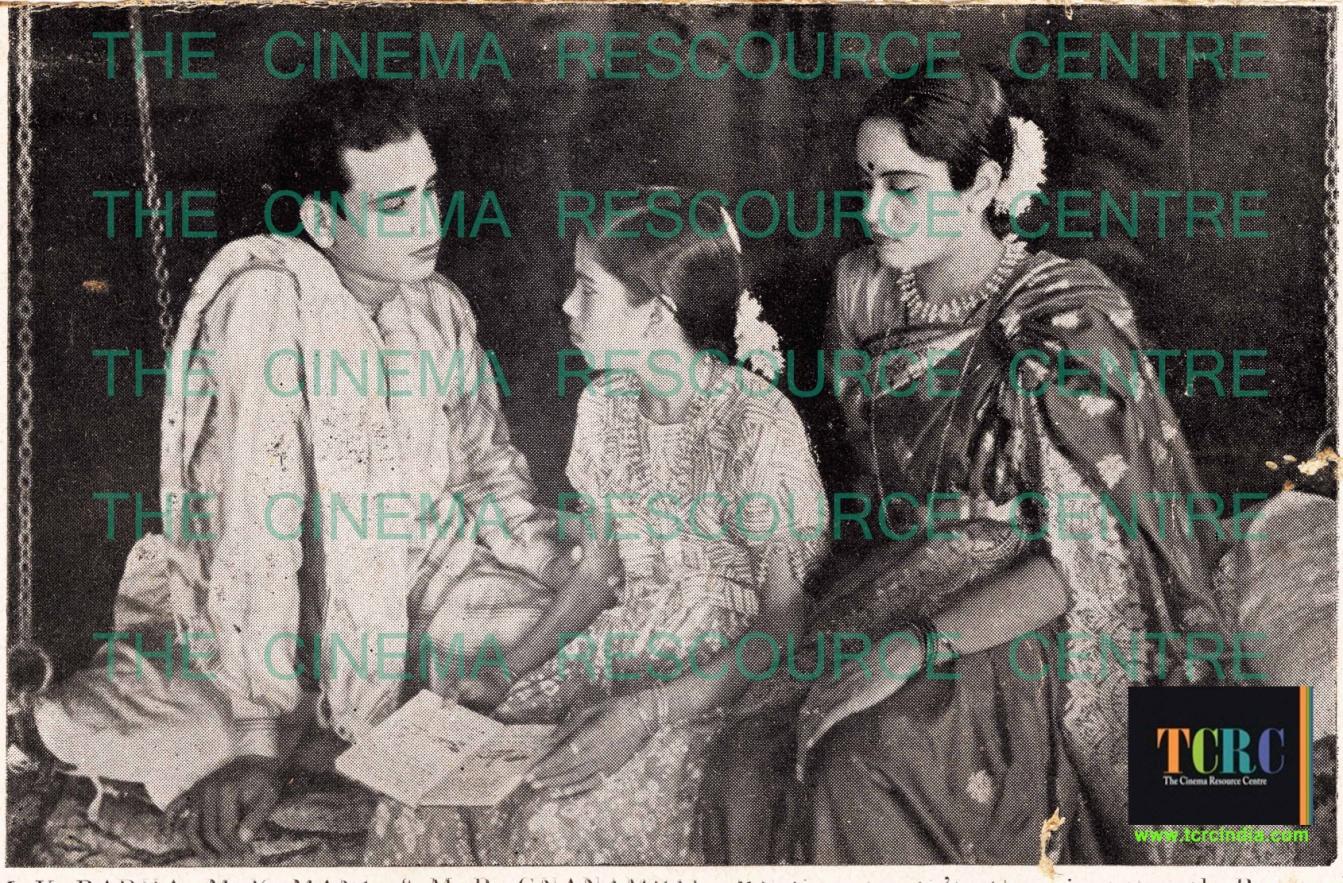
Sathileelavathi.jpg

A still from the Movie SATHI LEELAVATHI featuring M.K. Radha, M.K. Mani and M.R.GNANAMBAL 

PC: From the archives of TCRC

AMBIKAPATHI was yet another feather on Dungan’s cap. The film ran for 52 weeks — a whole year! — And did extremely well at the box office. It was a stellar return to success for M.K.Thyagaraja Bhagavathar, better known as MKT, as well, after his film CHINTHAMANI. T.S. Baliah, an actor who was also part of Dungan’s debut film SATHI LEEELAVATHI, was retained in this film to play the villain. His performance was greatly praised for pulling it off with aplomb and panache. The talented Balaiah later went on to become famous as a versatile actor who was capable of performing in all kinds of roles — a man who could don many hats indeed. His unique style of dialogue delivery was particularly distinct, and greatly contributed to his success in his career in acting.
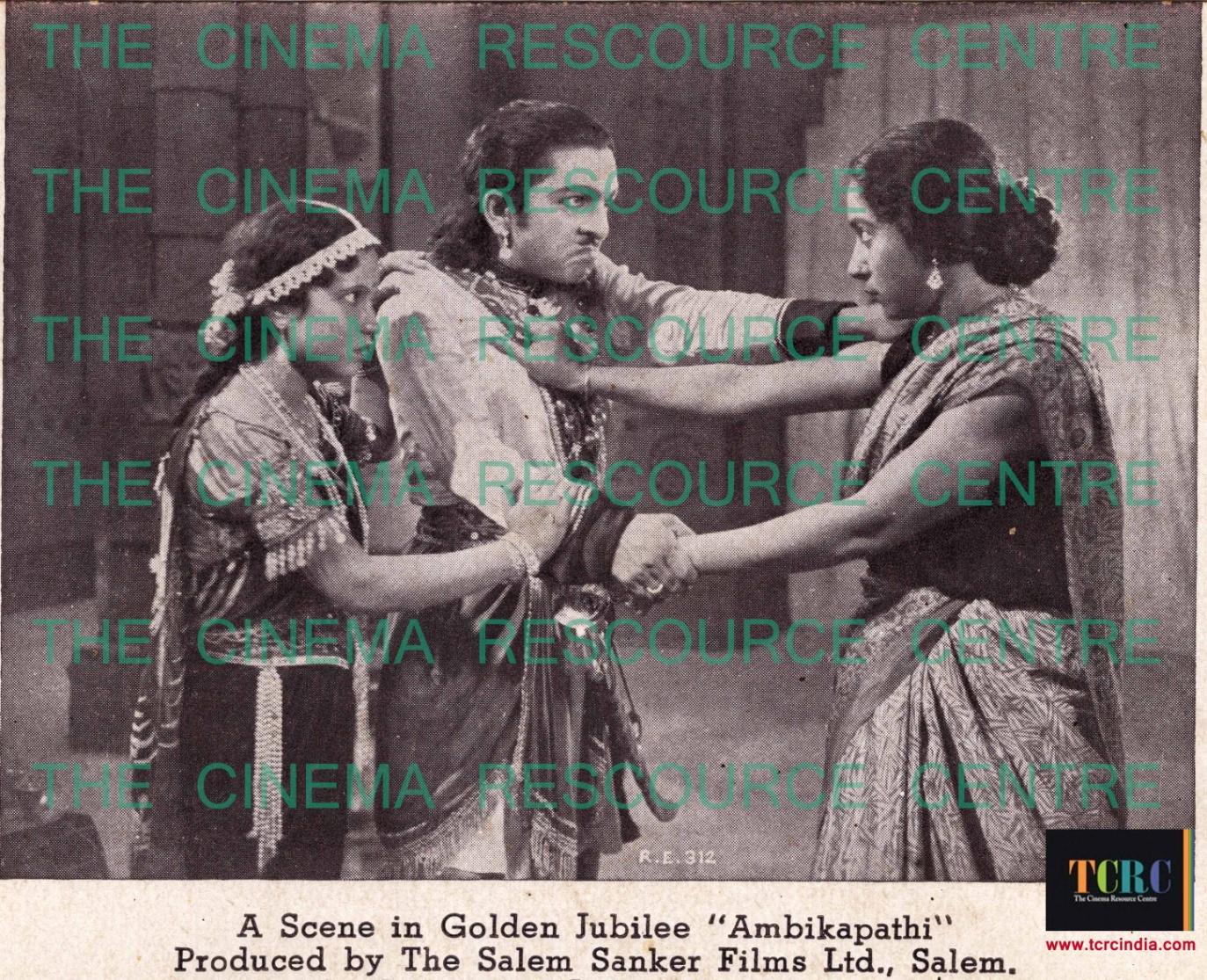
Ambhikaapathi.jpg

A still from the Movie AMBIKAPATHI featuring T.S. Baliah with his co-stars 

PC: From the archives of TCRC

With the huge success of CHINTHAMANI and AMBIKAPATHI — all in the same year, 1937, MKT earned the distinction of being the very first Superstar of Tamil cinema. This was nothing short of being crowned king of the industry! Besides acting, his other passion — singing — also took his career to great heights. Records containing his songs sold like hot cakes! Y.V.Rao and Dungan played a major part in the terrific start MKT got in what went on to be a truly prolific career.

The film also had people talking for other reasons: its dialogue, and some bold rather intimate scenes of the time had many heads turning. Dungan had hired a Tamil scholar, Elangovan, to script dialogue for the film, which turned out to be profoundly poetic — very new for Tamil cinema at the time! The move flung open a new trend in the world of writing for films. The line “Thookkam Un Kangalai Thazhuvattum Amaithi Un Nenjil Nilavattum”, spoken by the film’s hero, became very famous, and in fact, was used by many later. The lyricist Kannadasan, for instance, used the line in a song for his critically acclaimed film ALAYAMANI in 1961. 

Dungan conceptualised a scene where the hero winks at the heroine: which was, believe it or not, nothing short of revolutionary at the time. After this particular scene shot to popularity, MKT’s winks became a trademark mainstay of his acting style.

With SAKUNTHALAI, Dungan’s association with the famed classical vocalist M.S. Subbulakshmi, affectionately and popularly known simply as MS began. The film was produced under the banner Royal Talkie Distributors. MS and her husband, Sadasivam, who also wrote the screenplay for the film, were the producers.
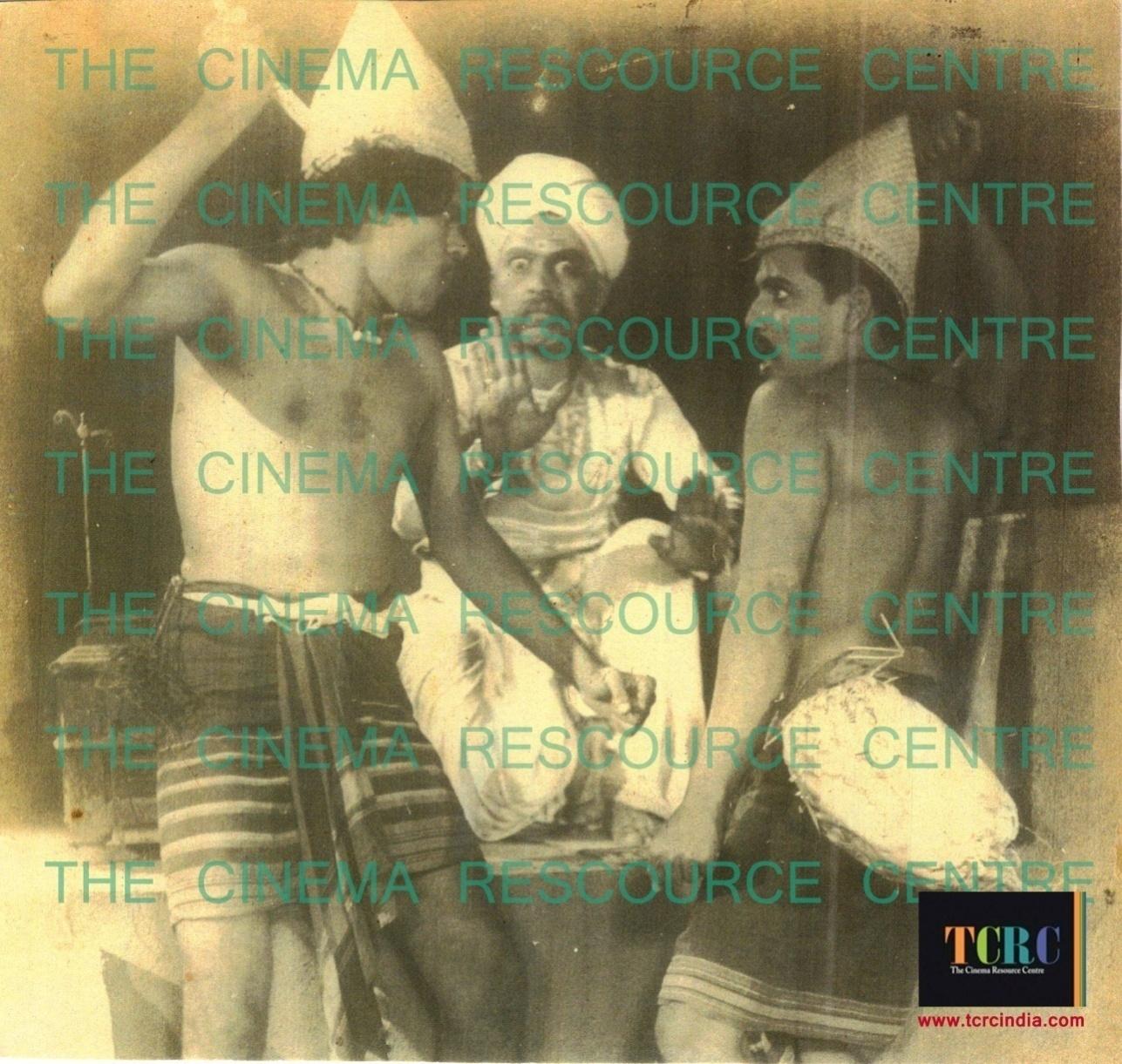
Sakunthalai.jpg

A still from the Movie SAKUNTHALAI

PC: From the archives of TCRC

While MS played the titular role, G. N. Balasubramaniam, the famous Carnatic singer was roped in for the lead role opposite to her. Though the film was first offered to K. Subramaniyam to direct, Dungan was brought on board in his stead, as Subramaniyam was busy with prior commitments. The comedy duo of N.S. Krishnan and T.A. Maduram were included in the cast too. The film was received well and was immensely successful at the box office as well.

KALAMEGHAM was a biopic on a Tamil poet whose words were always believed to come true. Dungan reached out to a nadaswaram expert, T.N. Rajarathnam Pillai, to play the titular role. This ended up being the only film that this nadaswaram legend acted in throughout his career as an esteemed musician. Though the film didn’t require him to play the nadaswaram itself, he was asked to pretend to do so in a scene where he plays the instrument and walks around on the streets. This particular scene was, in fact, filmed only to satisfy his ardent fans — and to have better prospects at the box office!
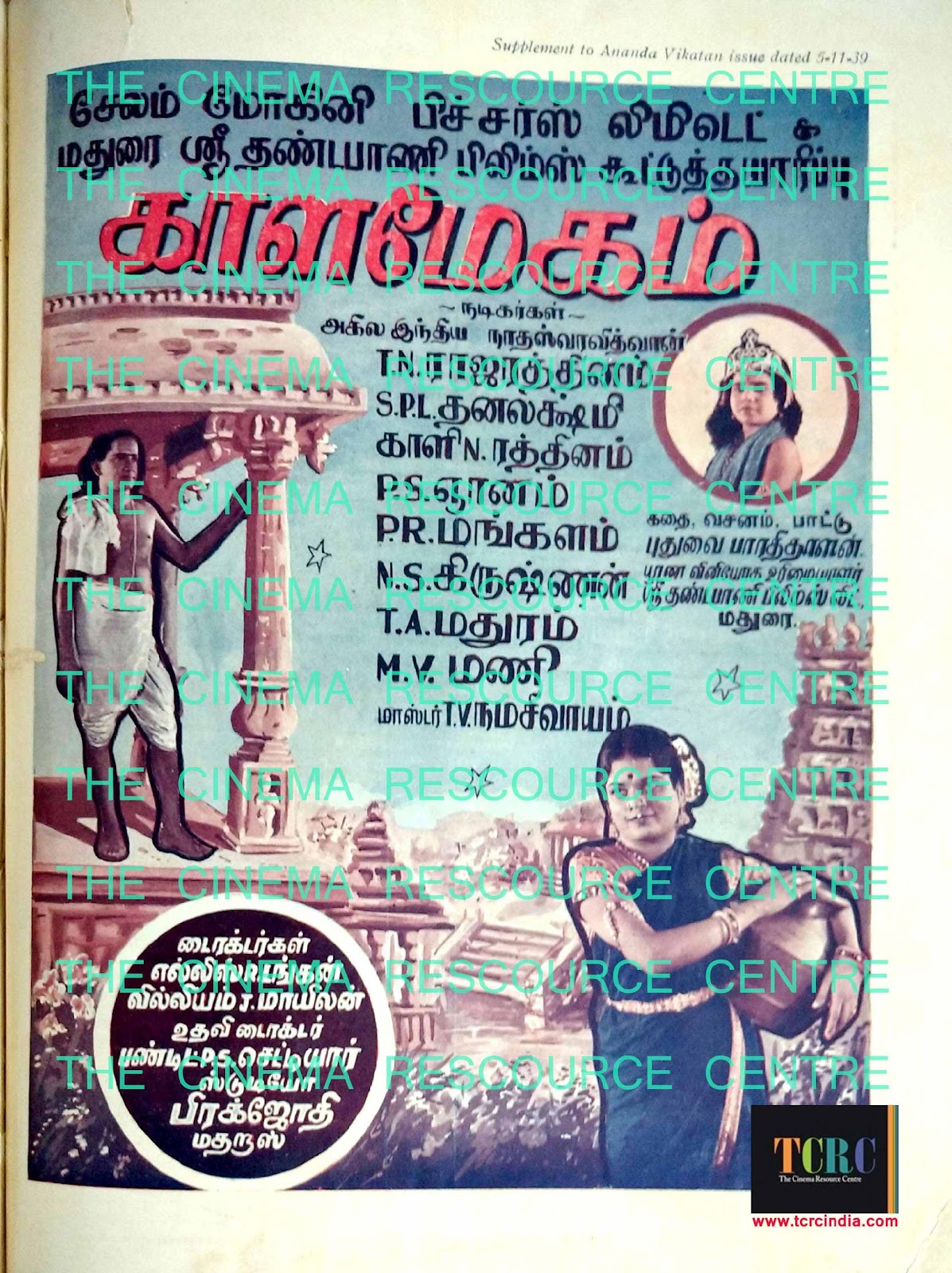
Kalamegham.jpg

An advertisement for the Film KALAMEGHAM

From the magazine ANANDHA VIKATAN DEEPAVALI MALAR 1939

PC: From the archives of TCRC

Although the film itself didn’t do particularly well it is nonetheless remembered for being Rajarathanam’s sole movie appearance, and for some specific technical mastery that was inventively executed by Dungan. One scene in particular, where a village is shown being submerged by a sandstorm, was fascinatingly filmed using miniatures in a vacant beach area in Chennai — Besant Nagar. And all this personally by Dungan himself. It is said that people stood and clapped for this scene in theatres.

[To be continued] We’ll be back next week with more hidden treasure from the history of Tamil cinema. Stay tuned!

About the Author:

V.V. Prasad is a Electronics and Communication Engineer based from Chennai. He is currently involved in the role of a Researcher and Archivist in THE CINEMA RESCOURCE CENTRE.
He takes care of the non film materials like Photographs, Magazines, Lobby Cards, Song books etc of the archives. Cataloguing them and digitizing them are part of his current work.
His interests and passion lie on the research of Cinema particularly South Indian Cinema.
The Pioneers of Tamil Cinema

I DIRECTORS: THE CAPTAINS – MASTERS AND COMMANDERS WITH AN IMPACT TO LAST THE AGES

THE RAOs-II

4c) B.N.RAO

There lurks an interesting story behind how B.N. Rao, who’s actual name is Balakrishnan Nair, of Talasserry, Kerala, got his name. Although he had been born in Kerala, his family had to shift to Bombay once his father got a job there. While enrolling in school, his neighbor put down his name as B.N. Rao — according to whom all south Indians ought to carry the surname Rao — and thus, the name stuck.

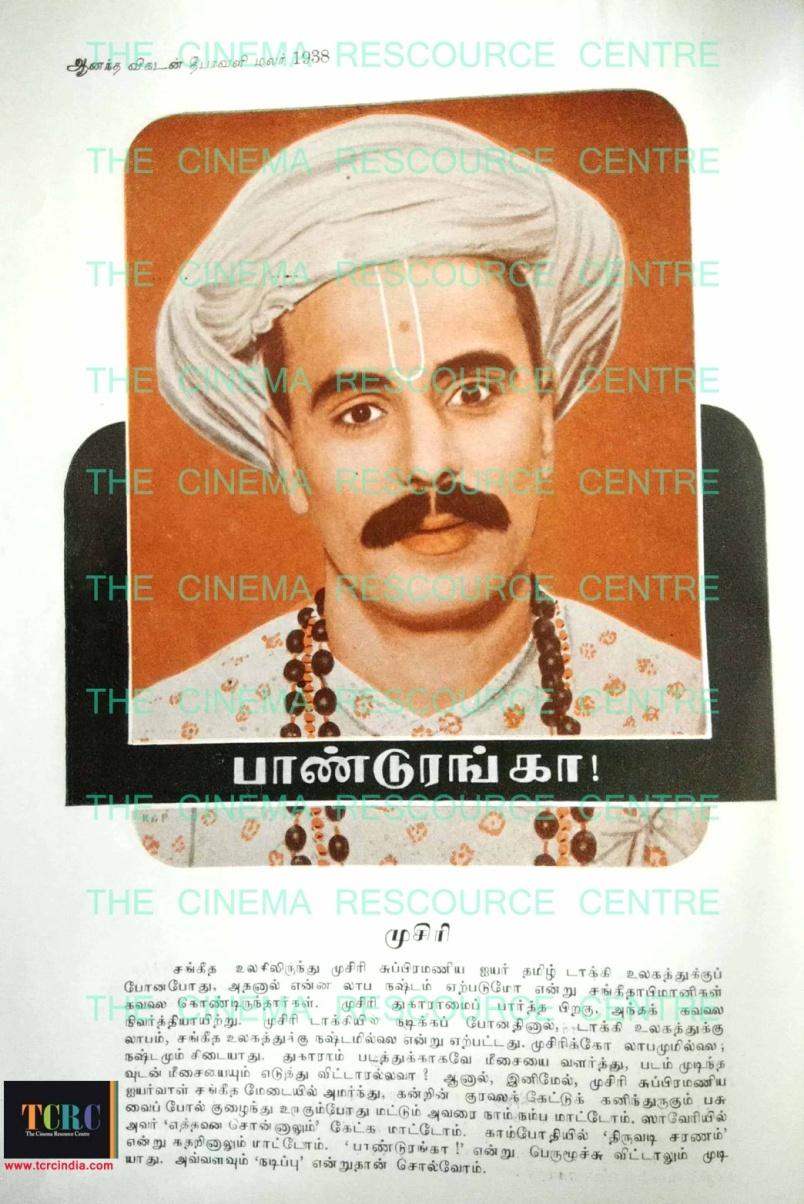
B. N. Rao’s first Tamil Film was TUKKARAM which was unique in many ways. The titular role was played by the famous carnatic Singer Musiri Subramiyam Iyer.

Thukkaram.jpg

A still of Musiri Subramaniya Aiyer , from the film THUKKARAM

From the magazine Anandha Vikatan Deepavali Malar, 1938

PC: From the archives of TCRC

TUKKARAM was Musiri’s first and only film to date. The news of his acting in a movie raised eyebrows of many traditionalists as well as common moviegoers, especially as he had to sport a moustache for the role. This was quite a departure from the tradition of clean shaven classical singers of the time. Although he was initially offered a fake moustache to stick on, he found himself rather uncomfortable, and asked that the filmmakers wait while he grew one of his own. Of course, once the film was released, he went right back to his old ways of being clean shaven.

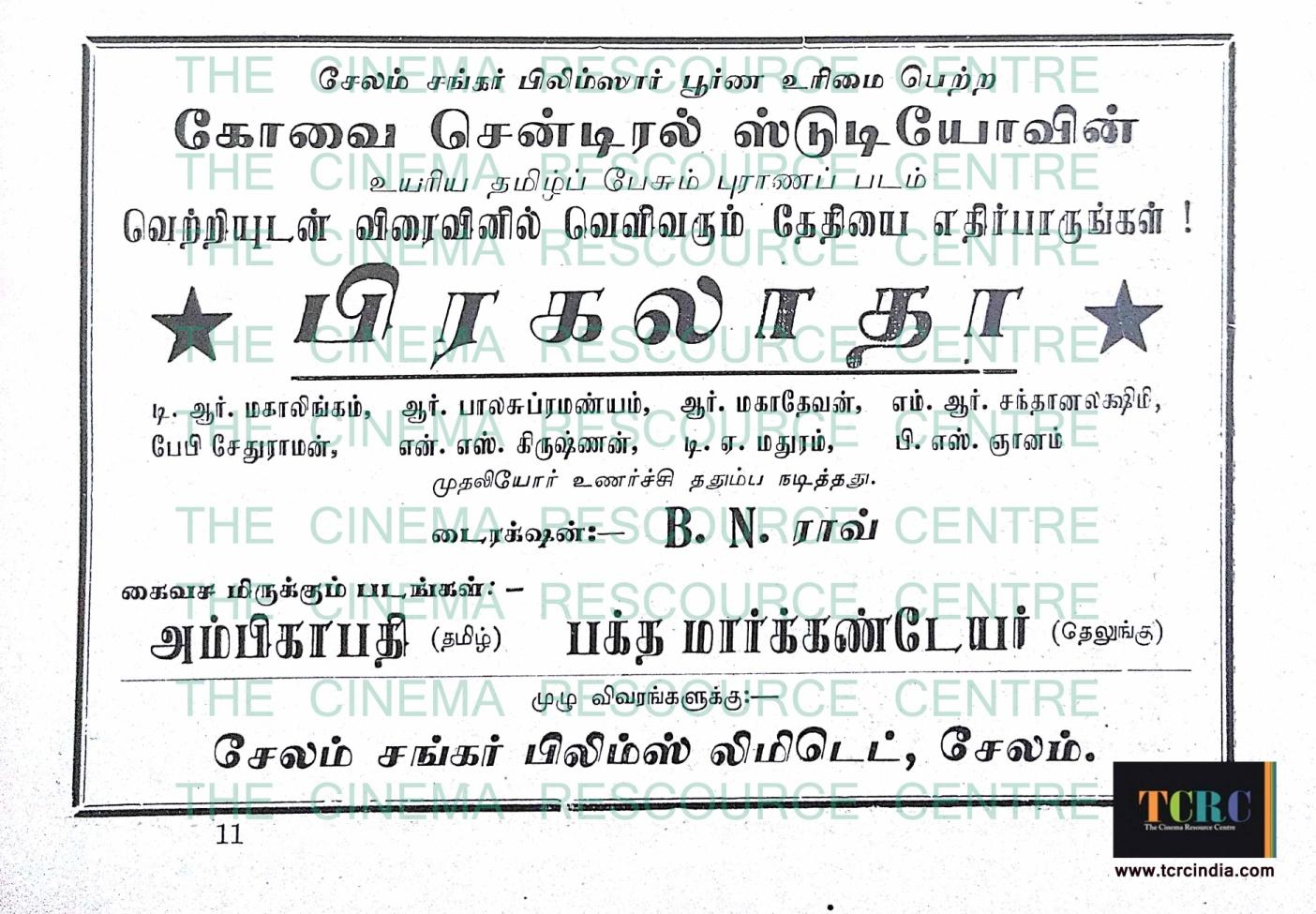
After the success of Tukaram, Rao’s association with the famous CENTRAL STUDIOS grew; most of his films that followed were under their banner including:

While PRAHALADHA didn’t have a particularly memorable impact on ringing the cash register, so to speak, it found other reasons to make its mark in the history of Tamil cinema. One of the reasons was the appearance of the superstar turned later Chief Minister of Tamil Nadu, Mr. M.G. Ramachandran, known fondly as MGR. This was one of his very early films of his career, his 6th— to be precise. The sword fight scene between him and the lead actress M.R. Santhanalakshmi became quite a talking point. T.R. Mahalingham, who played the titular role, went on to become a famous singer in his own right.

Prahaladha.jpg

An advertisement for the Film PRAHALADHA

From the magazine DINAMANI VARUSHA MALAR 1939

PC: From the archives of TCRC

SUNDAR RAO NADKARNI

Sundar Rao Nadkarni, born in Mangalore, started his film career as an actor in silent films and later switched over to editing and direction. His first Tamil film as a director was SAKKUBHAI, which was released in 1934.

A few other films he made included:

  • 1937: RAJA BHAKTHI 
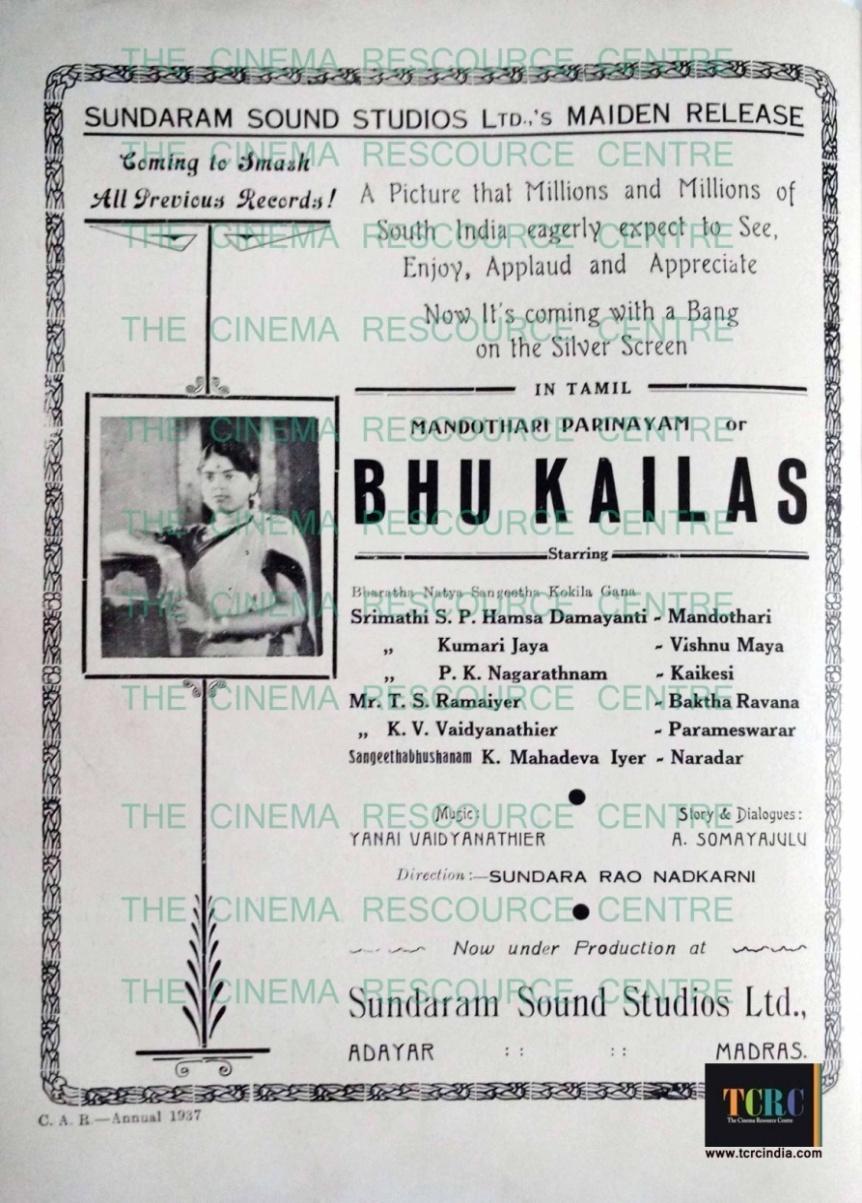
  • 1938: BHUKAILAS 
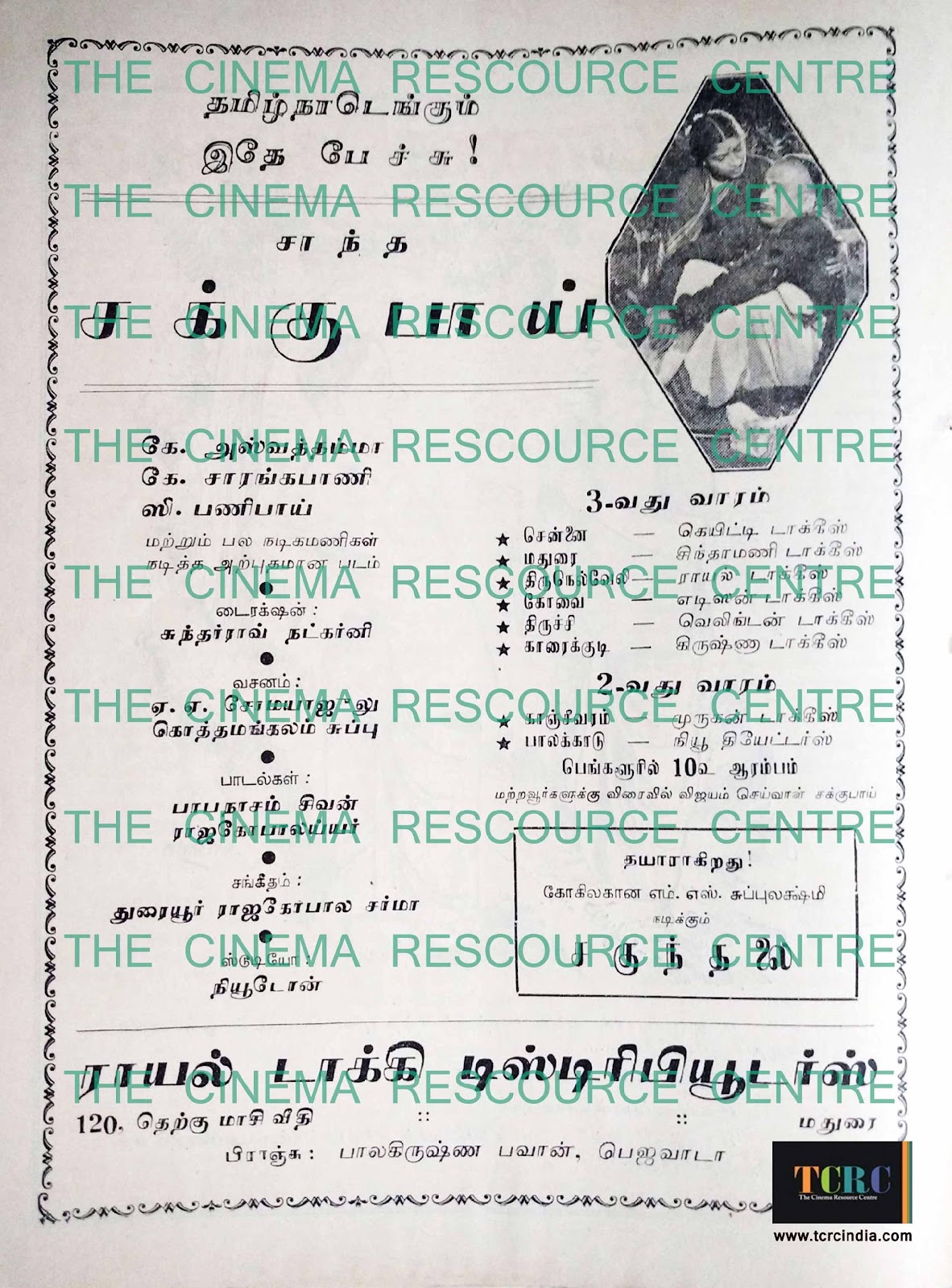
  • 1939: SHANTHA SAKKUBAI  

His film BHU KAILAS or MANDOTHARI PARINAYAM, released in 1938, was produced by Sundaram Sound Studios Ltd, Chennai. It has, unfortunately, now been lost. However, it is often mistaken for the remake (made by Rao himself) in Telugu with same name, BHU KAILAS. It was produced by A.V. Meyyappa Chettiar known as AVM. The film became a huge hit and helped in reviving AVM’s business, which had previously been hit by losses incurred from 2 Tamil productions namely Alli Arjuna and Nandakumar. We will return to discuss AVM later in this series.

Bhu Kailas.jpg

An advertisement for the Film BHUKAILAS

From the magazine CINE ART REVIEW 1937

PC: From the archives of TCRC

SHANTHA SAKKUBAI, produced by Royal Talkie Distributors, had K.Aswathamaplaying the titular role, and K. Sarangapanithe other lead role.Incidentally, the film was also the debut — as a dialogue writer, no less — for the famous and multifaceted Kothamangalam Subbu, who went on to become very popular later in the industry. 

His association with S.S. Vasan and his famous novel,Thillana Moganambal— which was made in to a blockbuster film with same name — are still proudly, and with awe, discussed in Tamil film history. Subbualso acted in a small role, besides writing dialogues for the film. The film became a big hit, and established, once again, a Rao as one of the successful filmmakers of 1930s

Shantha Sakkubai.jpg

An advertisement for the Film SHANTHA SAKKUBAI

From the magazine ANANDHA VIKATAN DEEPAVALI MALAR 1939

PC: From the archives of TCRC[To be continued] We’ll be back next week with more hidden treasure from the history of Tamil cinema. Stay tuned!

About the Author:

V.V. Prasad is a Electronics and Communication Engineer based from Chennai. He is currently involved in the role of a Researcher and Archivist in THE CINEMA RESCOURCE CENTRE.
He takes care of the non film materials like Photographs, Magazines, Lobby Cards, Song books etc of the archives. Cataloguing them and digitizing them are part of his current work.
His interests and passion lie on the research of Cinema particularly South Indian Cinema.
The Pioneers of Tamil Cinema

I DIRECTORS: THE CAPTAINS – MASTERS AND COMMANDERS WITH AN IMPACT TO LAST THE AGES

4a) THE RAOS – I

This week, we are going to talk about the Raos, a set of people who can truly be said to have ruled the Tamil film industry in the 1930s. These were Y. V. Rao, P. V. Rao, B. N. Rao and Sundar Rao Nadkarni – in some ways, the first royals of the Tamil industry.

4b) Y. V. RAO

Y. V. Rao alias Yaragudipati Varada Rao, born 30 May 1903, was rather prominent during his time as an extremely talented filmmaker; he does, however, seem to have been tragically largely forgotten today. A multifaceted mover in the industry, he donned many hats: as an editor, a director, an actor, a producer and even a screenwriter. His wife Kumari Rukmani, daughter Lakshmi, his granddaughter Aishwarya and even his mother-in-law, Nungambakkam Janaki, were all heavyweights in the industry as actors in their own right. His daughter, Lakshmi, and granddaughter, Aishwarya, are active in the industry to this day; Lakshmi, in fact, is well-known across languages and is National Award winning actress.

Y. V. Rao probably has the honour of bagging the most firsts in the South Indian film industries, collectively.  He made a number of multilingual films in Tamil, Kannada, Telugu, Konkani, and even Hindi, not to mention the plethora of silent movies in his filmography. He was the first to make motion pictures in so many languages; in fact, he holds an international record for this honour according to the film historian Randor Guy. His directorial venture SATI SULOCHANA was the first talkie ever made in the Kannada language. The battle scene in this film, shot using four cameras simultaneously, stayed with many viewers and was all the rage at the time of the film’s release. 

He was also the first filmmaker to ever make a film on the glittering world of cinema in his Telugu film VISWAMOHINI. At a time when most films were either mythological or based on social issues, VISHWAMOHINI was a pathbreaking film.  

Other notable works in the Tamil language by Y. V. Rao include: 

  • 1936: BHAMA PARINAYAM  
  • 1937: CHINTAMANI 
  • 1938: BHAKTA MEERA  
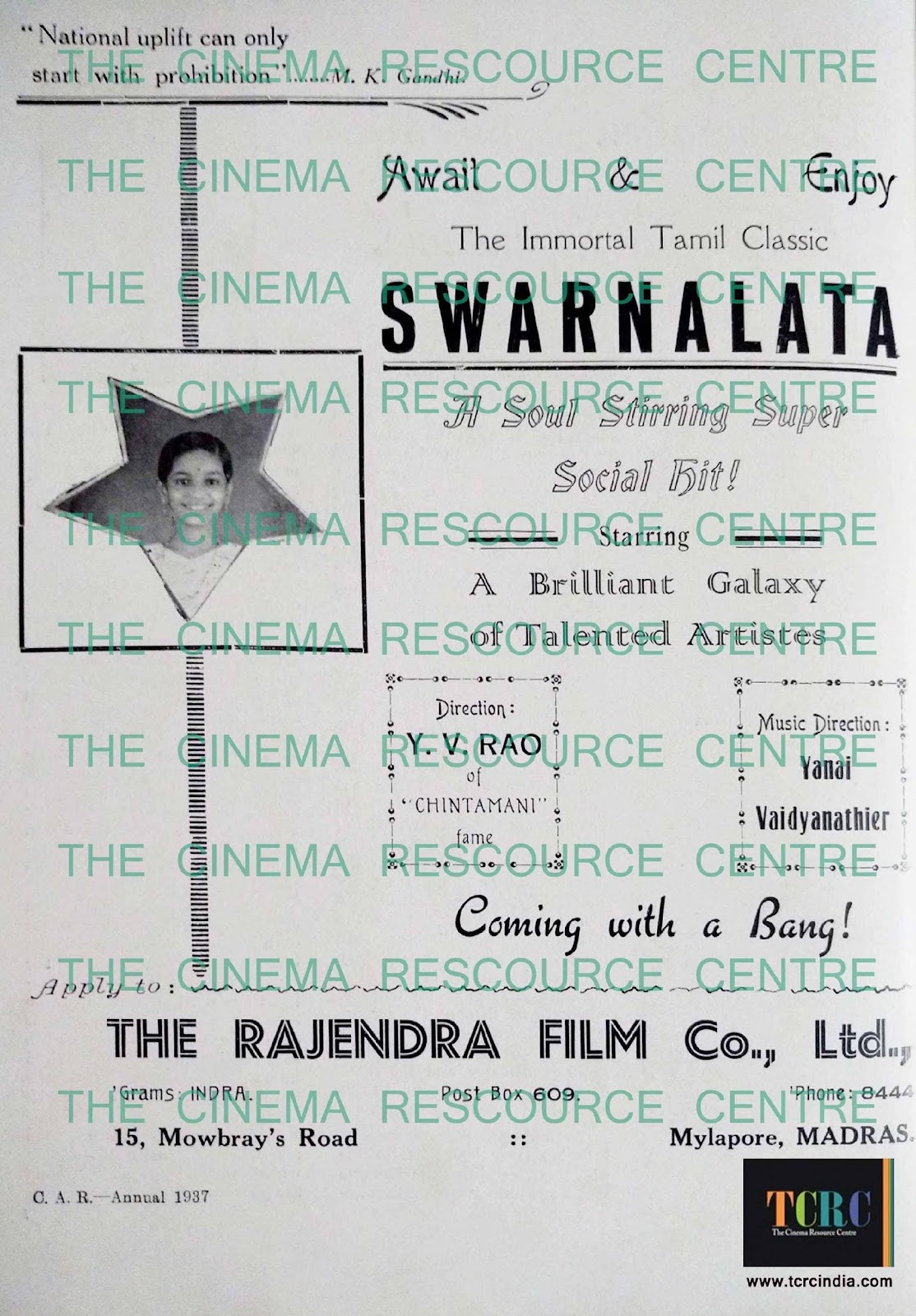
  • 1938: SWARNALATHA
  • 1941: SAVITHIRI

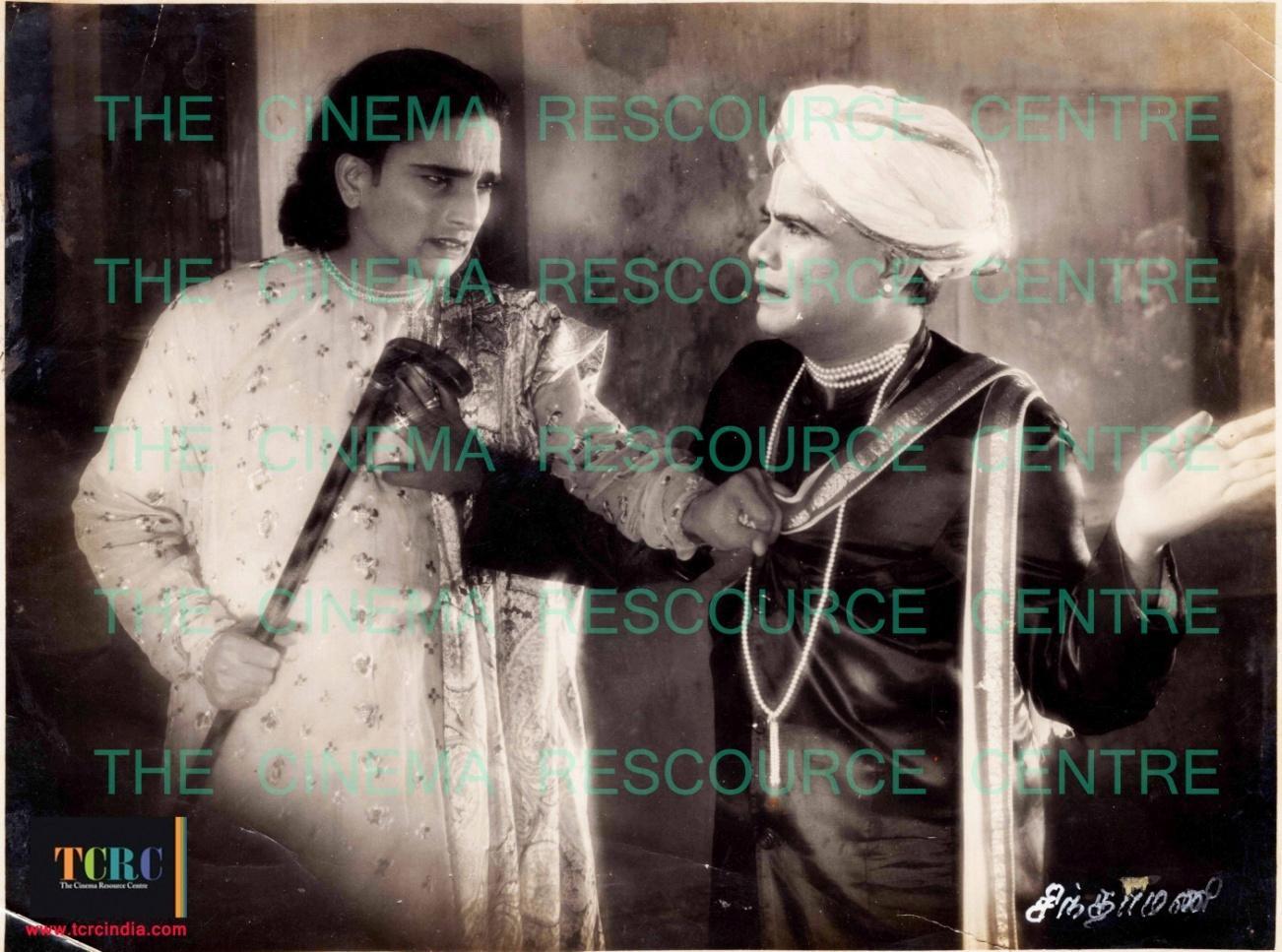
His film CHINTHAMANI, in particular, broke many box office records and catapulted its hero, M. K. Thyagarja Bhagavathar, to Superstar status. He, of course, went on to create a stunning legacy of his own. Ashwatama, the Kannada actress in the eponymous role, made her Tamil debut with this film. She, too, rose to dizzying heights with her acting and singing skills. However, she tragically succumbed to early death due to tuberculosis in 1939. The film itself ran for a year in single screen theatres – the first film to pull this feat off. It was not only a raging success in South Indian films, but went on to become one of the highest grossing films in India after its release. 

Chinthamani.jpg

Working Still from the Film CHINTHAMANI Featuring Y.V.RAO himself with L.NARAYANA RAO

PC: From the archives of TCRC

CHINTHAMANI, in later years, acquired a kind of cult status, and continues to be considered a historical event in South Indian cinema. Later, when Rao began producing films, he named his production company Chinthamani Pictures. The profit of this film as of such a magnitude that the distributors of the film, Royal Talkies, constructed a new cinema theatre in Madurai and named it after the film: Chinthamani Talkies.

With SWARNALATHA, Y. V. Rao bagged yet another first. This was the first film to be shot in one of the most famed studios of Chennai, Newtone Studios. 

Swarnalatha.jpg

An advertisement for the Film SWARNALATHA

From the magazine CINE ART REVIEW 1937

PC: From the archives of TCRC

Although the movie itself wasn’t a raging success, commercially speaking, it did make a significant mark in the history of Tamil cinema – largely due to Y. V. Rao’s acting skills and careful direction, not to mention the distinction of being the first film to ever be shot at one of the busiest studios in the country during the period spanning 1940-1970. The studio was also was leased to the noted filmmaker A. Bhimsingh, who shot many of his films there. Later it was sold to Bharathiya Vidya Bhavan. This film grappled with many complex social issues such as alcoholism and unemployment. 

P.V.RAO

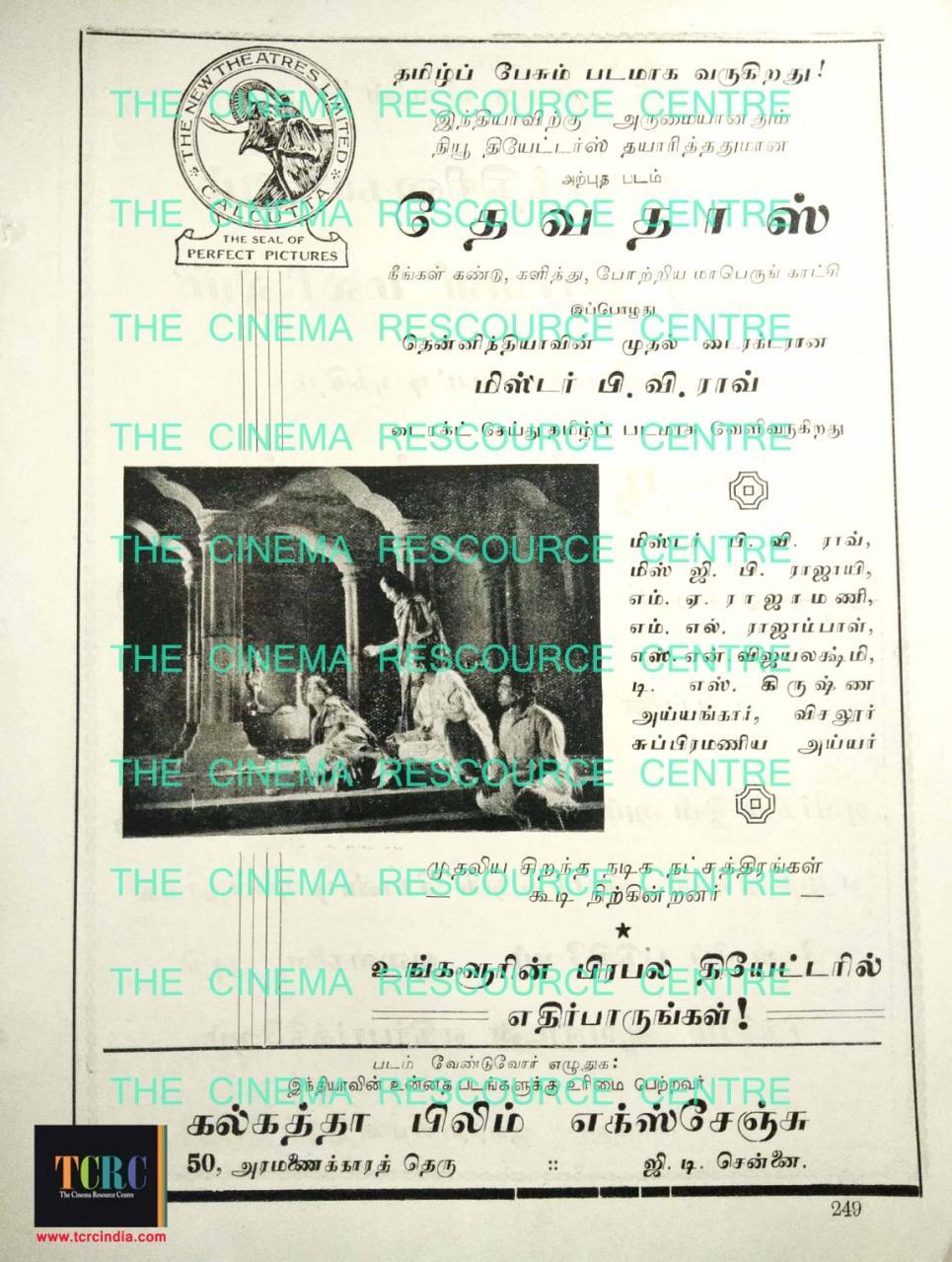
P. V. Rao was one of the foremost filmmakers in the South Indian film industry. His name is, perhaps a little oddly, often confused with the initials V. V. or T. V. However, according to compelling evidence available in publication, his name is stylised as P. V. See: the advertisement below, published in the year 1937. He directed many films in Tamil: VALLI, VALLI THIRUMANAM, SAKUNTHALA, SRI KRISHNALEELA, BHAKTHA DRUVAN, NALLA THANGAL, LEELAVATHI SULOCHANA, BALAMANI and DEVADAS

Interestingly during the shooting of BALAMANI (1937), it is said that the TKS brothers were unhappy with P. V. Rao’s discipline when it came to filmmaking. Unfortunately, as was anticipated, the film didn’t do well at the box office and was declared a flop rather swiftly. In startling move of creative revenge, the TKS brothers made a spoof of him, a character named V.P. Var – which cleverly reversed Rao’s name – in their next film, GUMASTHAVIN PENN. This film, curiously, was also directed by yet another Rao, B.N. Rao. This character, played by K.R. Ramasamy, was hilarious, and became quite popular and well loved! 

He also made the first of many DEVADAS films made in India – the first ever to me made in South India. It was released in 1937, where he himself played the lead role, opposite G. B. Rajayee.

Devadas.jpg

An advertisement for the Film DEVADAS

From the magazine ANANDHA VIKATAN DEEPAVALI MALAR 1937

PC: From the archives of TCRC

[To be continued] Next week we will talk about two more Raos – who were each immensely influential in establishing the trends in Tamil cinema.

About the Author:

V.V. Prasad is a Electronics and Communication Engineer based from Chennai. He is currently involved in the role of a Researcher and Archivist in THE CINEMA RESCOURCE CENTRE.
He takes care of the non film materials like Photographs, Magazines, Lobby Cards, Song books etc of the archives. Cataloguing them and digitizing them are part of his current work.
His interests and passion lie on the research of Cinema particularly South Indian Cinema.
The Pioneers of Tamil Cinema

I DIRECTORS: THE CAPTAINS – MASTERS AND COMMANDERS WITH AN IMPACT TO LAST THE AGES

This week, we bring you yet another mover and shaker from the world of Tamil Cinema: Raja Sandow, a prominent filmmaker as well as a trendsetter — in every sense of the word!

3) RAJA SANDOW

P.K. Nagalingam, better known as Raja Sandow to the world, was born in Pudukottai, Tamil Nadu in 1895. There’s an interesting story behind the origin of this new name: the story goes he acquired this unique moniker due to his impressively toned physique, built through his pastime of choice, bodybuilding and wrestling. Once he was satisfied with his bodybuilding, he opened a gym for the world — and a very successful one, at that. He went on to earn many accolades through his wrestling career, and was even featured in the Bombay Chronicle.

This popularity eventually paved his way into the glittering world of show business, and he began acting in silent films in the City of Dreams, Bombay. Right from his very first film, BHAKTHA BHODANA, he performed his own stunts. This attracted the attention of many filmmakers of the time, as a result of which he went on to act in more than seventy silent films.

Once he climbed to the very top of his acting career, Raja Sandow turned his attention behind the scenes, to the art of filmmaking. A keen observer, he had been watching and learning from the films he starred in from the very first one. When opportunity knocked on his door in the form the filmmaker R. Padmanabhan, who offered him a chance to make his own film in Madras, he jumped at it. And thus was made the film ANADHAI PENN in 1929. 

The films Raja Sandow made aimed to portray deep social messages, particular the terrible ways the poor, and women, were treated in society. His films NANDANAR and RAJESWARI, released  in the 1920s, were some such films that were truly remarkable for the times in which they were made.

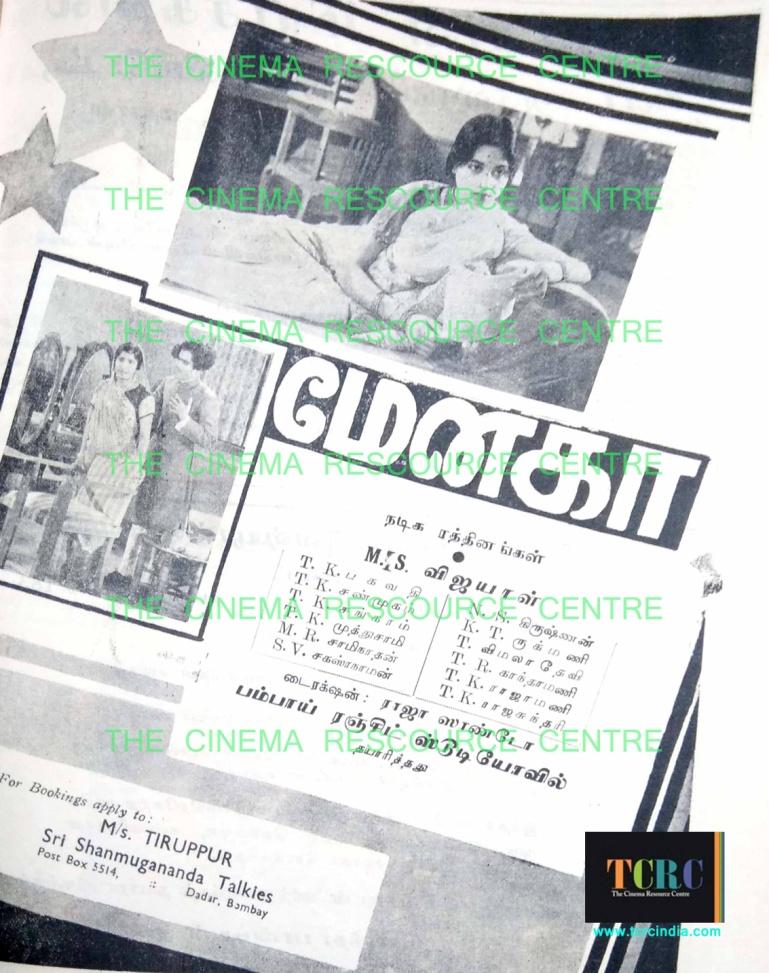
He was responsible for many firsts and beginnings in the Tamil film industry. In his MENAKA, for instance, the lead and actor and actress were pictured interacting very closely and even touching each other. This was revolutionary at a time when the norm was to place the hero and heroine at a two feet distance from each other at all times. He was, clearly, one of the first and foremost trendsetters of the Indian film industry as a whole.

Menaka.jpg

An advertisement for the Film MENAKA

From the magazine ANANDHA VIKATAN DEEPAVALI MALAR 1935

PC: From the archives of TCRC

MENAKA also marked the debut of the famous N.S. Krishnan, who went on to become one of the pioneers of comedy in Tamil films. It was also the first film appearance of the TKS Brothers, who were the foremost stars of the theatrical world at the time.

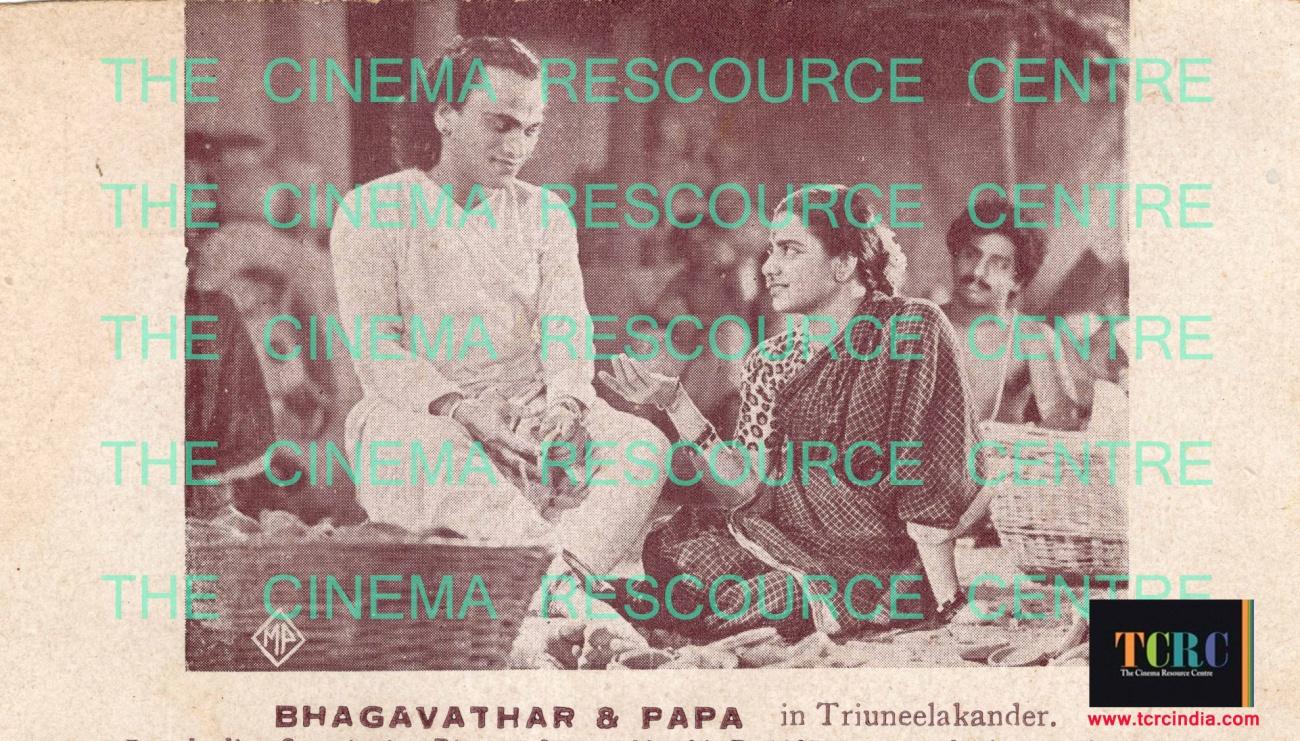
THIRUNEELAKANTAR, made in 1939, went on to become one of the biggest hits in the history of Tamil cinema. During its release period, shows were running in cinema halls even a year — 52 weeks — after the films initial release. This film, too, featured an extremely popular soundtrack by M.K. Thyagraja Bhagavathar. The songs were composed by Papanasam Sivan and became sensational runaway hits elevating the stardom of Thyagraja, known fondly as M.K.T. Songs from the movie such as Deena Karuna Karane Nataraja were all the rage. Songs from this film were catapulted to cult status, and remain both well-known and beloved by music lovers even today.

Thiruneelakandar.jpg

Working Still from the Film TIRUNEELAKANDER Featuring M.K.T and TIRUNELVELI PAPA

PC: From the archives of TCRC

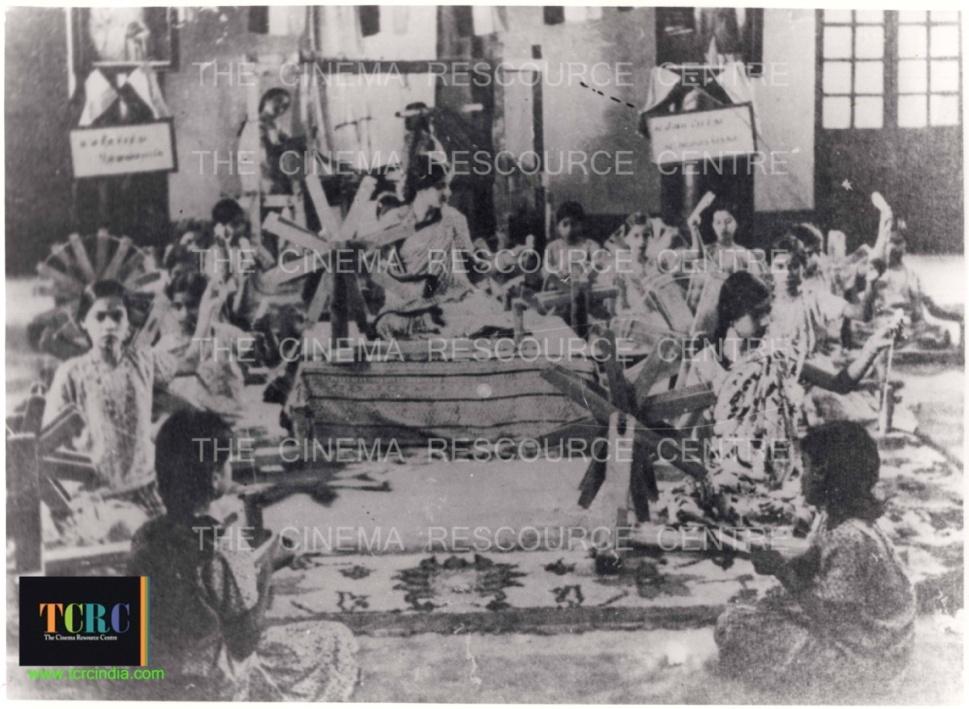
The comedy duo N.S. Krishnan and T.A. Madhuram— who were, incidentally, husband and wife in reality too — were quite the comedic sensation; many flocked to the cinema to see their exceptional comedy.

Thiruneelakandar2.jpg

Working Still from the Film TIRUNEELAKANDER Featuring N.K.S and T.A. Madhuram

PC: From the archives of TCRC

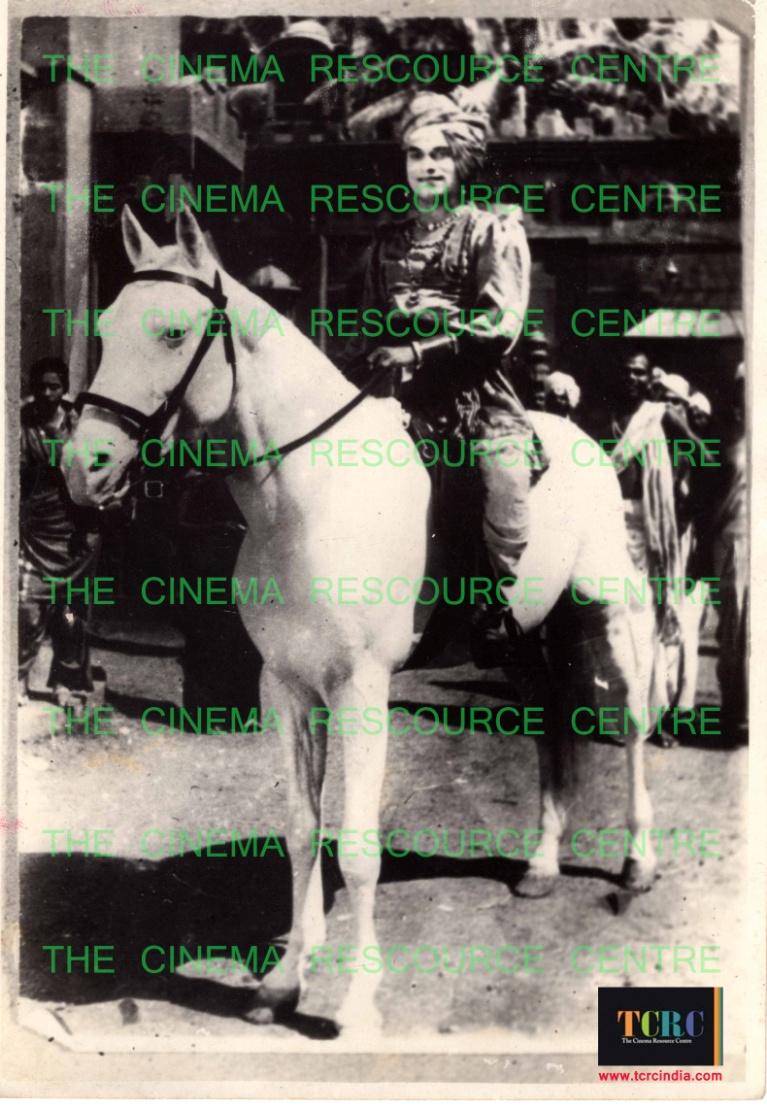
In 1943, Raja Sandow tragically suffered a heart attack and died in Coimbatore on the 25th of November. His last film was SIVAKAVI, which he had, in fact, quit due to creative differences with the producer, S.M. Sriramulu Naidu. Naidu went on see the film to its conclusion himself.

Sivakavi2.jpg

Working Still from the Film SIVAKAVI Featuring M.K.T

PC: From the archives of TCRC

 [To be continued] We’ll be back next week with more hidden treasure from the history of Tamil cinema. Stay tuned! 

About the Author:

V.V. Prasad is a Electronics and Communication Engineer based from Chennai. He is currently involved in the role of a Researcher and Archivist in THE CINEMA RESCOURCE CENTRE.
He takes care of the non film materials like Photographs, Magazines, Lobby Cards, Song books etc of the archives. Cataloguing them and digitizing them are part of his current work.
His interests and passion lie on the research of Cinema particularly South Indian Cinema.
The Pioneers of Tamil Cinema

I DIRECTORS: THE CAPTAINS – MASTERS AND COMMANDERS WITH AN IMPACT TO LAST THE AGES

This week is dedicated to an oft-forgotten legend of Tamil Cinema: Krishnamurthy Subramaniyam, also known as K. Subramaniyum, who played a truly vital role in the establishment of Tamil film industry.

2) K. Subramaniyam

Born in Kumbakonam, Tamil Nadu, K. Subramaniyam entered the professional world as a lawyer. Eventually, he gave up the practice of law to chase his sparkling dreams of making films. One of the first and foremost filmmakers of his time, Subramaniyam made films that were simultaneously grounded in a refined aesthetic sensibility even as they foregrounded social issues. His films were often centred on the freedom movement, and showcased the most pressing social issues of his time, from untouchability and child marriage to child marriage, the dowry system, and the treatment of widows and women. 

He was also responsible for the introduction of many actors who went onto become stalwarts of the industry:S.D. Subbulakshmi, the legendary music composer Papanasam Sivan, `Baby’ Saroja, who was Subrahmanyam own niece,the Bharatanatyam trio Lalita, Padmini andRagini, B. Saroja Devi and K.J. Mahadevan. His daughter, who went on to become an extremely well-regarded dancer, Padma Subramiyum, made her film debut as a child artist in his GITA GANDHI. His wife, on the other hand,Meenakshi, held the distinction of becoming southern India’s first female music director and lyricist.

Subramaniyam had been active in the industry right from the Silent Era, when he undertook his first directorial venture, PAVALAKODI,in 1934. This was an important era in the history of the industry: the film also marked the debut of the actor M.K. Thyagaraja Bhagavathar, who went on to become one of the first superstars of the industry, gaining immense popularity through his acting as well as his immaculate singing prowess as a vocalist. 

Once the film was completed, Subramaniyam married S.D. Subbulakshmi, for whom the film was also a debut. The songs of this film were composed by the legendary Carnatic music composer and singer,Papanasam Sivan, who earned the moniker of Tamil Thyagaraja.

Pavalakodi_FB_WM.jpg

Working Still from the Film PAVALAKODI Featuring S.D. SUBBULAKSMI

PC: From the archives of TCRC

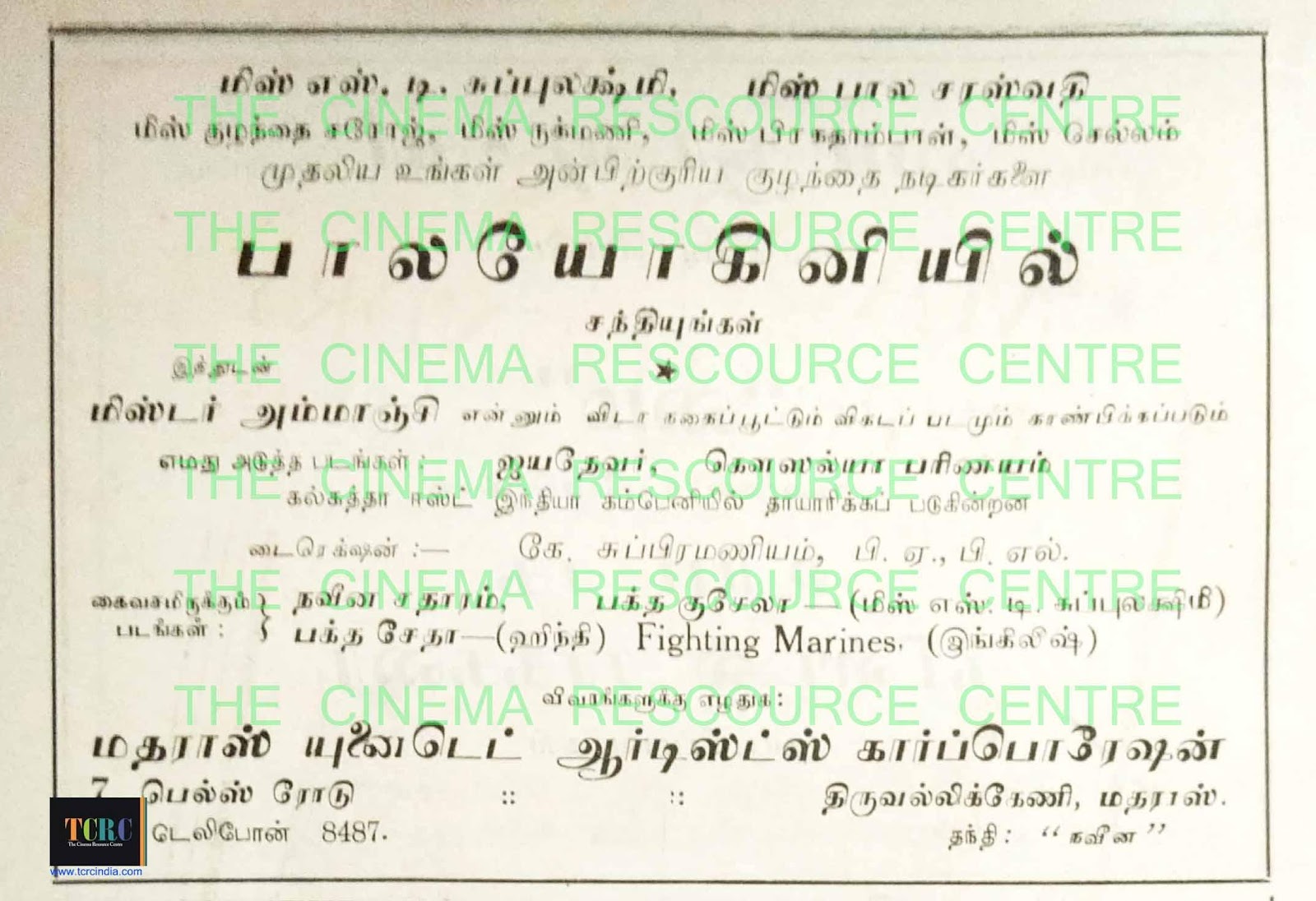
He went on to have a stellar career as a filmmaker, making many successful films such as NAVEENASADARAM, NAVEENASARANGADHARA, KUCHELA AND BALAYOGINI. He also founded his own production company, The Madras United Artistes Corporation, with the critically acclaimed film NAVEENA SADHARAM.

Naveena Sadharam_WM.jpg

Working Still from the Film NAVEENA SADHARAM Featuring S.D. SUBBULAKSMI

PC: From the archives of TCRC

Subramaniyam was once felicitated in his own home town and was invited to perform stage show during the Mahamaham. The Mahamaham marks an important and richly celebrated Hindu festival that is celebrated once every twelve years in Kumbakonam, Tamil Nadu. It is said that the show mesmerised the audience. During this show, his wife, S.D. Subbulakshmi introduced a young female singer to him and to the audience of the show. Her performance was magical, utterly enthralling all who were present, including Subramaniyam himself. This young girl? M.S. Subbulakshmi. She went on to become one of the most celebrated and revered Carnatic musicians of her generation. Subramaniyam inducted her into the world of film through his SEVASADHANAM. 

SEVASADHANAM, released in 1938, undertook an ambitious project: advocating for the reformation of society. The film took on a complex topic: ancient traditional practices of marriage where in young girls were forced to marry aged men and lead miserable lives with no say or agency. The film also showcased the dowry system and the devastating social inequality faced by women at the time. 

One scene, in particular, made quite a mark. At the end of the film, an aged Brahmin man realises the fundamentally evil core of these practices, and cuts off his sacred thread, his poonal, and throws it away. This was seen as a thundering blow and staunch rejection of the regressive practice of Brahmin orthodoxy.

Seva Sadhanam_WM.jpg

Working Still from the Film SEVASADHANAM Featuring M.S. SUBBULAKSMI with other artists

PC: From the archives of TCRC

His films were often deeply critical of the patriarchal and male dominated nature and structure of society. His, BALAYOGINI, tells the story of the trials and tribulations of a young widow after her husband dies.The film highlighted one of the most pressing issues of its time: the horrifying treatment of widows in society, especially when they were married off young and the death of their aged husbands inevitably followed.The film vividly and movingly depicted the heart rending condition of a young widow in a middle class family. Broadly speaking, Subramaniyam was quite successful in creating awareness on the problem

This film marked the debut of Baby Saroja, known famously as the Shirley Temple of India. Her performance was lauded greatly by audiences and critics alike. Her popularity skyrocketed after the film, and she was called on to endorse many products being advertised. BALAYOGINI holds the honour of being the first children’s film of India. It is also seen by many historians as a trendsetter when it comes films that dealt with social issues. 

Bala Yogini_WM.jpg

An advertisement for the Film BALAYOGINI by Madras United Artists Corporation

From the magazine ANANDHA VIKATAN DEEPAVALI MALAR 1936

PC: From the archives of TCRC

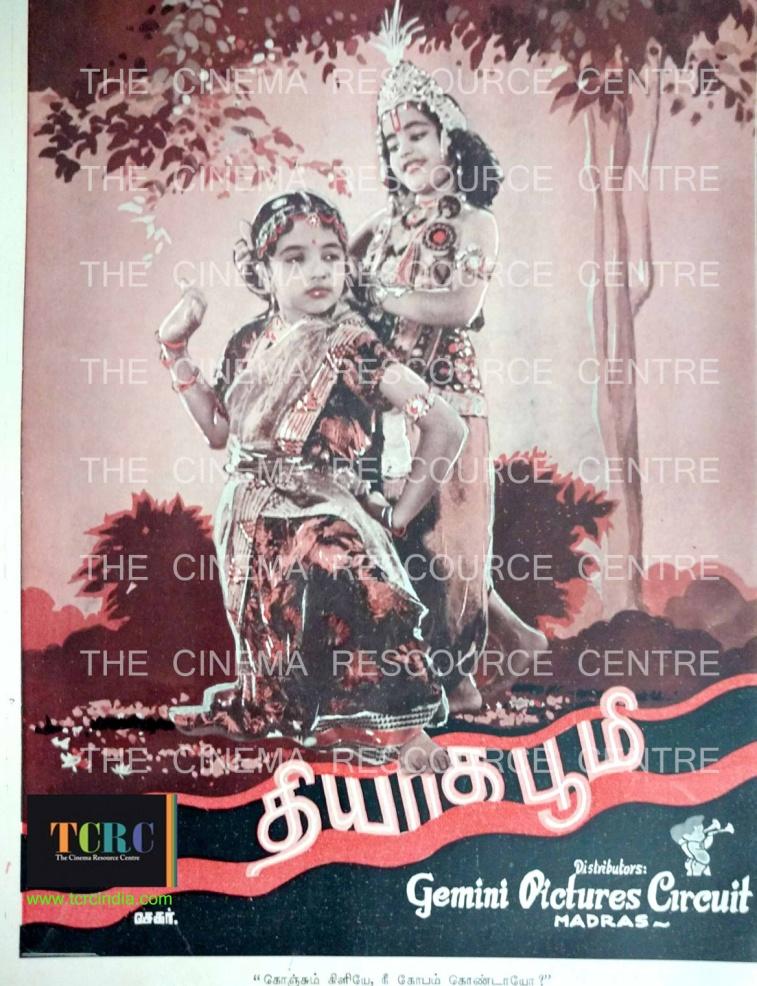
The film THYAGA BHOOMI is considered the crown jewel of Subramaniyam’s work as a director. Based on the novel by Kalki, also called Thyaga Bhoomi, this film was the first in India to ever be banned by the British Raj. Why? It featured scenes glorifying Mahatma Gandhi and the increasingly popular struggle for freedom in India. Despite the ban, however – in fact, even before the British had a chance to impose the ban – the film already had become one of the biggest hits of its time, and one of the greatest successes of the industry.

Baby Saroja, S.D. Subbulakshmi and Papanasam Sivan played important roles in the film. A young female singer, D.K. Pattamaal, also made her debut as a playback singer in the film. She later went on to form the holy trinity of Carnatic music along with M.S. Subbulakshmi and M.L. Vasanthakumari.

Thyagabhoomi_AV_DM_1939_WM.jpg

An advertisement of the Film THYAGA BHOOMI from the magazine ANANDHA VIKATAN DEEPAVALI MALAR 1939

PC: From the archives of TCRC

[To be continued] We’ll be back next week with more hidden treasure from the history of Tamil cinema. Stay tuned! 

About the Author:

V.V. Prasad is a Electronics and Communication Engineer based from Chennai. He is currently involved in the role of a Researcher and Archivist in THE CINEMA RESCOURCE CENTRE.
He takes care of the non film materials like Photographs, Magazines, Lobby Cards, Song books etc of the archives. Cataloguing them and digitizing them are part of his current work.
His interests and passion lie on the research of Cinema particularly South Indian Cinema.
The Pioneers of Tamil Cinema

Introduction

Cinema is easily one of the most fascinating and compelling of all human endeavours – both in the realm of storytelling and otherwise. The history of world cinema, can be said to have truly begun with the Silent Era – way back, late in the 19thcentury. The first Tamil Talkie, KALIDAS, changed the face of Tamil cinema and Indian film in 1931.

In this series, we bring to you the fascinating stories of the people behind and in front of the screen – people who were originally responsible for taking the Tamil film industry to dizzying heights. 

We begin with the captains of these majestic ships: directors. 

I. Directors: The Captains – Masters and Commanders With An Impact To Last The Ages

Although we intend to discuss film directors of a different era altogether – and the profound impact their work had on the development of Tamil cinema – we cannot speak of this industry without invoking the name of Shankardas Swamigal, the Father of Tamil Theatre. He and Pammal Sambhanda Mudaliar are considered the true pioneers of Tamil theatre. He was instrumental in shaping the careers of stalwarts of the craft, such as Nawab T.S. Rajamanickam, M.R. Radha, S.V. Venkatraman, K.B. Sundarambal, S.G. Kittappa and K. Sarangapani.

I. THE SILENT ERA

NATARAJA MUDALIAR

Nataraja Mudaliar began his career as a businessman trading in bicycles, and later, in the import of American cars. Greatly inspired by the first feature film to ever be released in India, Dadadsaheb Phalke’s RAJA HARISCHANDRA, which was released in 1913, he decided it was the world of filmmaking that was his true calling. 

After reaching out to a close friend, Pammal Sambhanda Mudaliar, one of the foremost pioneers of theatre in Tamil, he decided to tell the story of Draupadi and Keechaka from one of the greatest epics of India, the Mahabharata. The first feature film of his career was released in 1917, and was called KICHAKA VADHAM. It holds the honour of being the first South Indian silent film ever made and released in India. 

And thus was born the first ever production company in Southern India: The Indian Film Company. He donned many helms for the film; he was producer, cameraman, editor, as well as the director for the film. He went on to make many more films, often rooted in the rich heritage of Hindu mythology: DRAUPADI VASTRAPURANAM, LAVA KUSA, RUKMINI SATHYABAMA and MAYIL RAVANA.

However, as they say, all good things must come to an end, and so was the case with his time in cinema. After the devastating loss of his son and a catastrophic fire accident in his studio – which was already taking heavy losses – he went back to his trade of automobiles.

Despite this difficult end, he rightfully earned the moniker of being the Father of Tamil cinema, and was ultimately responsible for sowing the seeds that led to the fertile growth of the industry’s future. 

RAGHUPATHY SURYA PRAKASH

Raghupathy Surya Prakash, also known as R.S. Prakash, was one of the most prolific directors of silent films in Southern India. He also directed the first Telugu feature film, BHISHMA PRATINGNA, in 1921, which was produced by his father, Raghupathy Venkaiah Naidu, who was responsible for the construction of the first movie theatre in Chennai, Gaiety Talkies. He was also the man behind the first film studio in Chennai, Glass Studio, which was believed to run from Vepperi to Sangam Cinemas, now in Kilpauk. The film company was named as Star of the East Films, and BHISHMA PRATINGA was produced under this company. 

The formidable father-son duo went on to make many silent films for both Tamil and Telugu audiences in the 1920s and early 1930s, which was when the revolutionary shift from silent films to talkies finally took place. 

2. The 1930s

1) H.M. REDDY

H. M. Reddy is India’s first multilingual film director. In his film, KALIDAS, he featured and utilised dialogue in both Telugu and Tamil. The film went on to earn the shining distinction of the first film in India to have sound in more than one language, as well as being the first Talkie in both the Tamil and Telugu film industries. Reddy, who assisted Ardeshir Irani in the production and direction of the first Indian talkie film, ALAM-ARA, was deeply inspired by his experience and decided that he must make a talkie film with sound in the South as well. Thus, KALIDAS was conceived. L.V. Prasad, the founder of the famous Prasad Studios, who also played a small role in ALAM-ARA, became an integral part of the cast of KALIDAS as a comical priest as well.

Kalidas_WM.jpg

Working Still from the Film KALIDAS, Featuring T.P. RAJALAKSHMI and VENKATESAN

PC: From the archives of TCRC

H. M. Reddy went on to produce and direct many more films – BHAKTHA PRAHALDA, GRUHALAKSHMI and TENALIRAMAKRISHNA– primarily in the Telugu language.

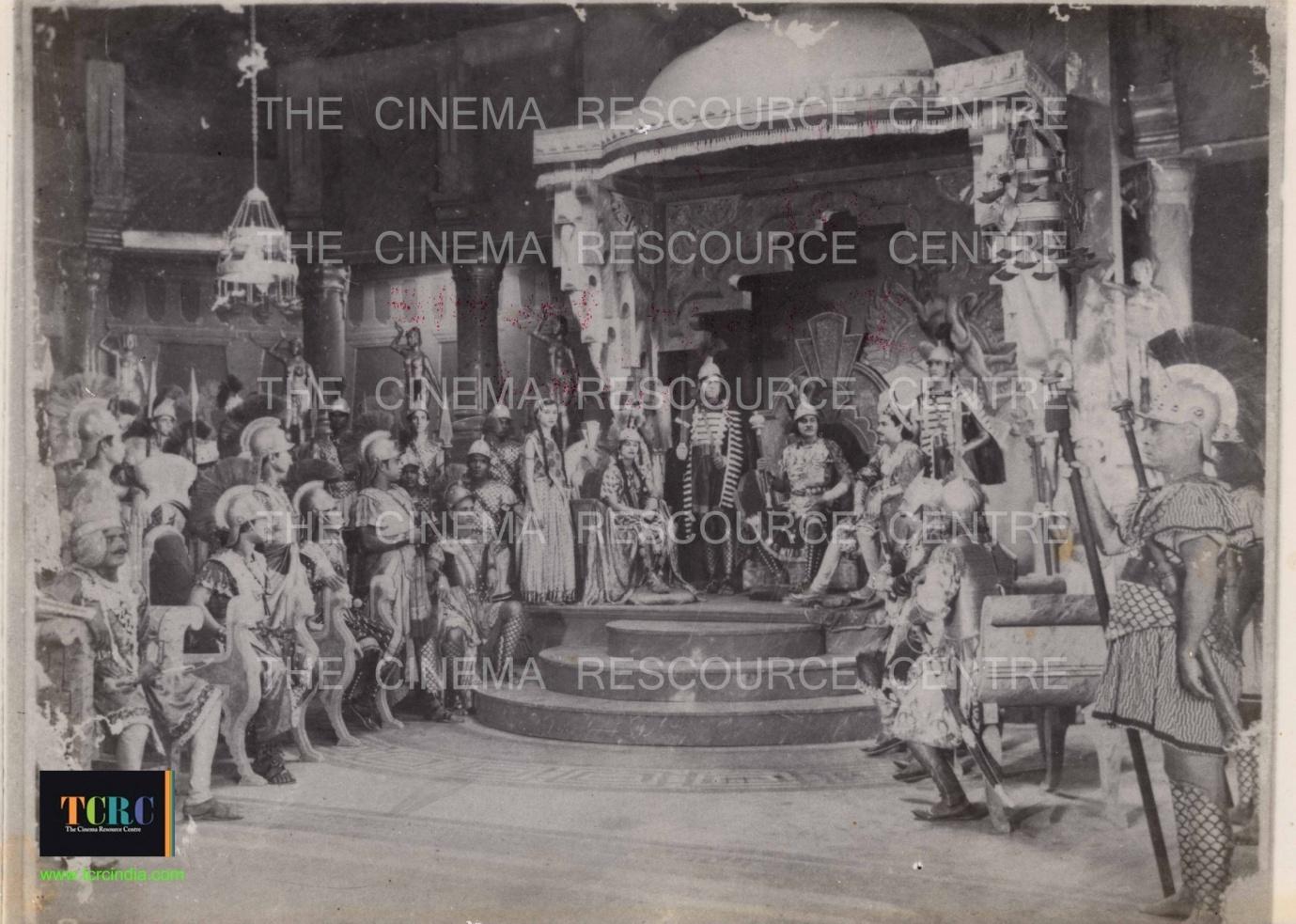
He later directed a Tamil Movie MATHRU BHOOMI in 1939. One of the doyens of Tamil music, Papanasam Sivan, composed the music and wrote songs for the film. Kumidhini was the vocalist for many of the songs, which went on to become great hits of their time. The film’s theme was primarily dealing with the struggle for India’s freedom. However, the British Raj’s ironclad censorship would have made the release of such a film impossible. 

To sidestep this problem, he set the story at an entirely different time in history: the invasion of North West India by Alexander the Great. Despite this careful measure, the film did feature songs that were sympathetic to the freedom movement and echoed its sentiments; consequently, the film faced rumours of an impending ban.

MATHRU BHOOMI was made on a budget of two lakh Indian rupees – an enormous budget in that era – and was the most expensive movie of its time.

Mathru Bhoomi_WM.jpg

Working Still from the Film MATHRU BHOOMI

PC: From the archives of TCRC

[To be continued] We’ll be back next week with more hidden treasure from the history of Tamil cinema. Stay tuned!

About the Author:

V.V. Prasad is a Electronics and Communication Engineer based from Chennai. He is currently involved in the role of a Researcher and Archivist in THE CINEMA RESCOURCE CENTRE.
He takes care of the non film materials like Photographs, Magazines, Lobby Cards, Song books etc of the archives. Cataloguing them and digitizing them are part of his current work.
His interests and passion lie on the research of Cinema particularly South Indian Cinema.
Thanga Padhakkam : From stage to celluloid

By Karthik Bhatt

Like all top artistes of his era, Sivaji Ganesan, inarguably the finest actor Tamil cinema has seen, came from a stage background. Bitten by the acting bug at an early age, Sivaji Ganesan joined Yadartham Ponnuswamy Pillai’s Madurai Sri Bala Gana Sabha, a well known Boys Company of the times. It marked the beginning of a long and cherished association with Tamil theatre, which he successfully managed to sustain even after he became a top star. That he continued to remain passionate about stage is illustrated by the fact that even at the height of his career, he continued to act in stage plays, with film shootings many a time scheduled to accommodate his stage commitments.

Starting off with the Streepart (Female role) at the Sri Bala Gana Sabha, Sivaji Ganesan’s repertoire expanded to a wide range of roles, all of which stood him in good stead when he made his foray into films. In his autobiography “Enathu Suyasarithai”, he poignantly recalls the struggles associated with life in a Boys Company, where they would often be confronted by poverty and other tough circumstances.

Parasakthi (1952) propelled him to stardom, after which there was no looking back for him as a film star. His passion for stage was however undiminished and he performed for troupes such as S.V.Sahasranamam’s Seva Stage. He started Sivaji Nataka Mandram in the mid-1950s to continue his passion for stage and also to provide opportunities to many actors who were trying to make it big in films and were languishing for roles. Managing the troupe was S.A.Kannan, a stage actor who was part of the Sakthi Nadaga Sabha that had just then wound up. Sivaji Nataka Manram over the course of the next couple of decades went on to produce several hits on stage which would also replicate the success on celluloid when they were remade. Famous plays included Veerapandiya Kattabomman, Vietnam Veedu, Needhiyin Nizhal, Pagal Nila, Kaalam Kanda Kavignan and Thanga Padhakkam, the subject of this piece. In his autobiography, Sivaji Ganesan says that the play, written by J.Mahendran (later of Mullum Malarum fame) was originally being staged by Senthamarai. He watched the play at the Raja Annamalai Mandram and highly impressed by it, asked Senthamarai for the rights to stage it under the Sivaji Nataka Mandram banner and also make it into a movie. Senthamarai agreed and Sivaji Nataka Mandram inaugurated the play in 1972.

The play, which revolved around an upright police officer, Superintendent of Police (S.P) Chowdhry was directed by S.A.Kannan and had Sivaji Ganesan playing the main role. Others in the cast were Sivakami (who played his wife, the role played by K.R.Vijaya in the film) and Rajapandian, who donned the role of his son Jagannathan (Srikanth playing the role in the film). The Kalki magazine review of the play makes special mention of a sequence where Sivaji Ganesan sings and dances merrily in the birthday party of his son, hailing it as a novel attempt. Reviewing Sivaji Ganesan’s performance, it says that calling his acting a majestic portrayal would be akin to saying sugar is sweet!

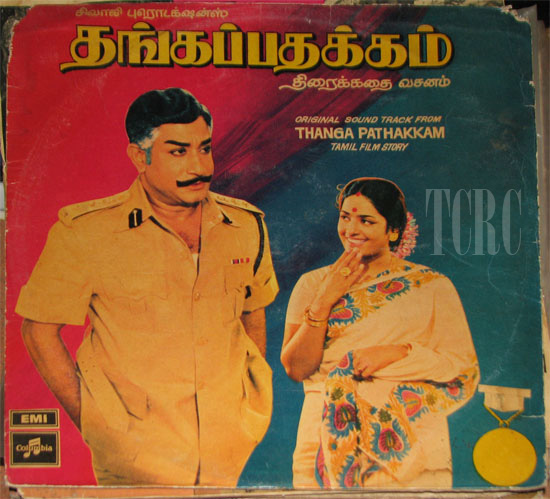
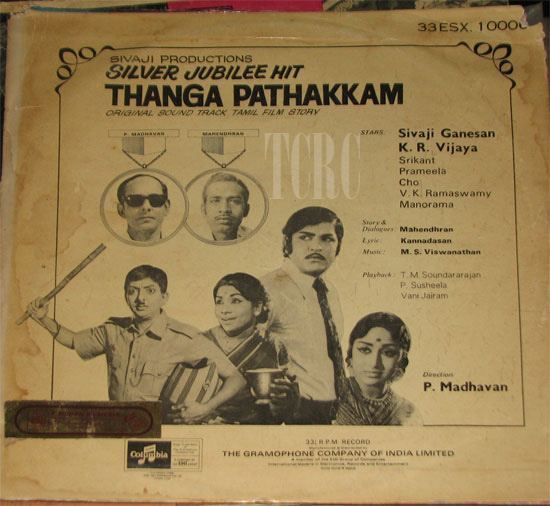
The play was made into a movie in 1974. P.Madhavan, who directed many hits (including some with Sivaji Ganesan) directed this movie, which was produced by Sivaji Ganesan’s daughter Shanti Narayanswamy for Sivaji Productions. The movie was a great success. The characterisation of the Superintendent of Police became a sort of a benchmark, with many a later movie referring to Chowdhry when mentioning a honest and upright officer! Below are the images of the LP from this film pulled out from our archive.

Thangapadakkam-1 WATERMARK Thangapadakkam-1A WATERMARK

Policekaran Magal: From stage to celluloid

By Karthik Bhatt

On 5th April 2013 TCRC shared its first post. It was the lobby card for the film Policekaran Magal. You can revisit the post here

Today as part of our ‘From Stage to Celluloid’ series we discuss more on this landmark film.

S.V.Sahasranamam was one of Tamil cinema’s most well-known character actors. Along with the likes of S.V.Ranga Rao and S.V.Subbiah, he was part of a select group of actors who were a constant presence in films between the 1950s and 1970s in the roles of a father, grandfather or elder brother.

Born in 1913, Sahasranamam joined T.K.Shanmugam’s Balashanmukhananda Sabha at an early age, giving up schooling to become an actor. His association with the troupe was a long one, lasting for more than two decades. It was an association that got him his first film opportunity, when a play of theirs, Menaka was made as a film in 1935. It was also in this troupe that he forged a lasting friendship with the legendary N.S.Krishnan.

Sahasranamam quit the Balashanmukhananda Sabha in 1936 on account of a misunderstanding with the managers. After stints as a manager with a couple of film houses, he joined N.S.Krishnan, by then a star, as a manager in his production house Ashoka Films. Film opportunities kept coming his way and he acted in a number of films through the 1940s. His passion for stage however remained undiminished. His dream of establishing his own troupe bore fruit in 1953, when he started Seva Stage.

Starting with Kangal, an adaptation of Rabindranath Tagore’s short story Vision, Seva Stage made a name for itself with its social themes and brilliant execution of the technical aspects. It was also to Sahasranamam’s credit that he managed to get noted writers such as T.Janakiraman, Ku.Alagiriswami and B.S.Ramiah to script successful and critically acclaimed plays such as Naalu Veli Nilam, President Panchatcharam, Vadivelu Vaathyaar and Policekaran Magal, which were later made into movies.

B.S.Ramiah, born in 1905 was an acclaimed journalist and writer best known in the literary circles for his association with Manikkodi, the magazine started by “Stalin” Srinivasan in 1933. He had made a name for himself as a short story writer. Sahasranamam approached Ramiah with a request to write a play for Seva Stage, thus marking the beginning of an association that would go on to produce great hits on stage.

Policekaran Magal was Ramiah’s fifth script for Seva Stage, after President Panchatcharam, Malliam Mangalam, Therotti Magan and the critically acclaimed Paanchali Sabatham . Revolving around a policeman and his family (most prominently the daughter), the play was a great success. Like other Seva Stage plays, this too did not lack in star value, with noted actors Muthuraman and V.Gopalakrishnan and actress S.N.Lakshmi playing important roles in the play. Muthuraman went on to play a role in the movie too, which was directed by C.V.Sridhar and came out in 1962. Vijayakumari played the role of the daughter in the movie, which was played on stage by Shanthini, a Seva Stage regular. J.P.Chandrababu and Manorama played the role of flower vendors, a crucial part of the plot. Sahasranamam reprised his stage role of the policeman on screen and even today, this movie is often spoken about as one of those movies which is impossible to remake thanks to the powerful portrayal by Sahasranamam.

The movie is also remembered today for its immortal melodies, most particularly Pon enben siru poo enben and Nilavukku en mel ennadi kovam.

Here are pictures of the film’s LP from our collection. The LP also carried the songs of another popular film of the time’ Sumai Thangi’.

policekaranmagal_sumaithangi Policekaranmagal_sumaithangi_back


End of an era: K.Balachander (1930-2014)

Indian Cinema lost one of its greatest contributors on December 23rd 2014, K.Balanchander or KB sir as he is fondly known to many. The recipient of the Dada Saheb Phalke award, his career spanned for over 45 years. Besides directing over 100 films, he has also donned the role as writer, producer and even an actor. Each of his films were ahead of its times with radical offbeat themes and with strong women characters. The same was true with the many serials that he had directed and produced for the small screen. He is known for launching and mentoring several top actors and technicians in Indian Cinema including Kamal Hassan, Rajnikanth and Sri Devi.

Here is what the national newspaper The Hindu  has to say about this great man.

http://http://www.thehindu.com/entertainment/he-took-tamil-cinema-beyond-herocentric-creations/article6719996.ece?homepage=true&theme=true

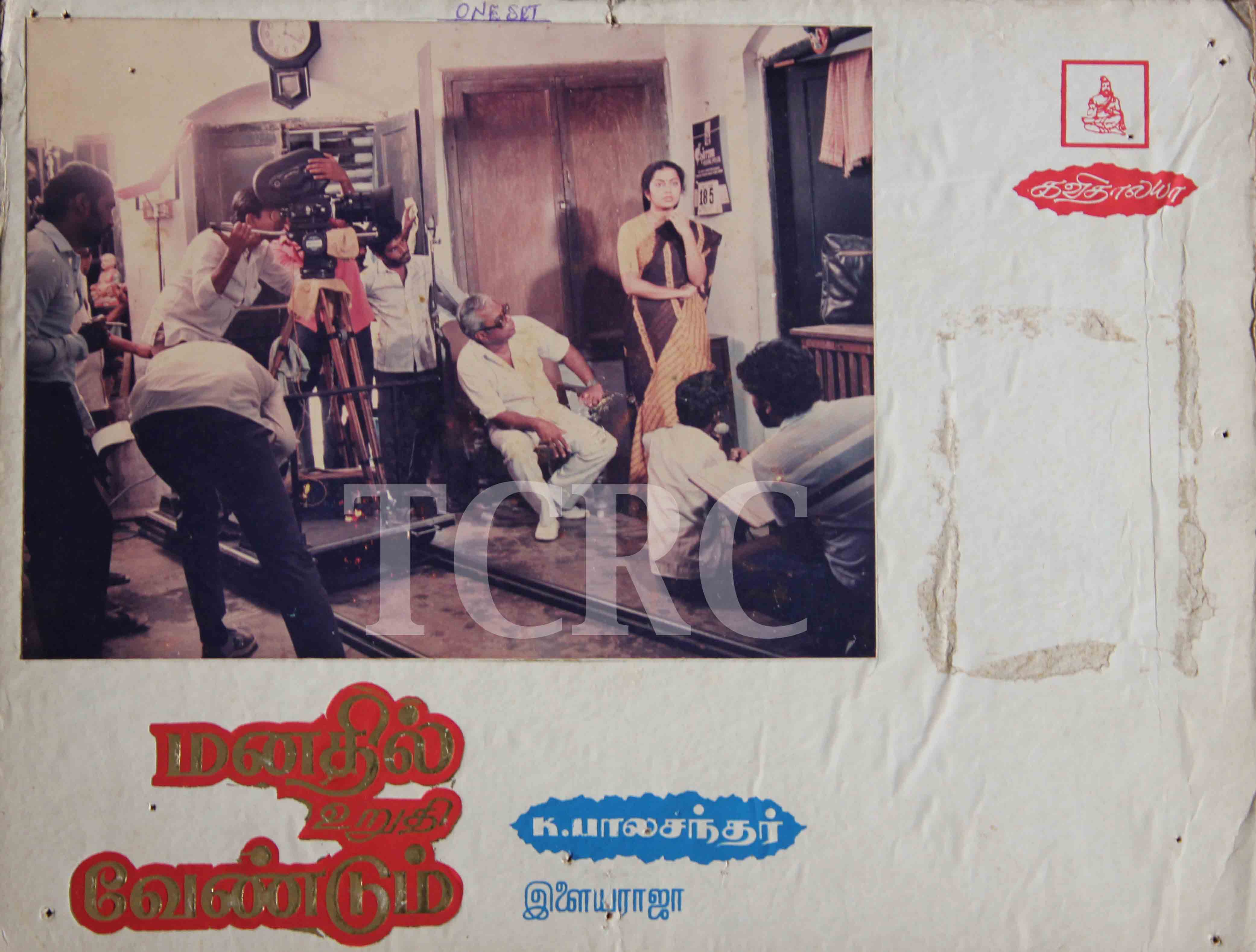
As our small tribute to KB sir we would like to share a lobby card from our collection. It is from the film Manadhil Uridhi Vendum (1987). The film revolves around the strong willed female protagonist Nandhini (played by Suhasini) who over comes many hurdles  and finally dedicates her life to her profession as a nurse.

The lobby card in itself is unique with the working still from the shoot as its image. We get to see the crew and the man himself directing the female lead Suhasini in this picture.

manadhi-urudhi-vendumTCRC


Happy Birthday Superstar


On this special day we would like to release a special image from our collection, a lobby card from the iconic film Baasha (1995) (Tamil)

Baasha-4
Suresh Krishna’s Baasha is an action thriller starring Rajnikanth, Nagma, and Raghuvaran. A loose adaptation of Amitabh Bahchan’s Hum, Baasha is the story of a man who becomes a mafia don and later tries to escape that life by adopting the identity of an autorickshaw driver. Needless to say, his past catches up with him. The film enjoyed a positive box office response and is considered one of Rajnikanth’s most commercially successful films. This movie won him multiple acting awards. 20 years on, Baasha’s autodriver character has been elevated to patron saint status by auto drivers in Chennai and elsewhere in Tamilnadu.